> For the complete documentation index, see [llms.txt](https://www.opentimeclock.com/docs/llms.txt). Markdown versions of documentation pages are available by appending `.md` to page URLs; this page is available as [Markdown](https://www.opentimeclock.com/docs/blog2/november-2025/how-to-run-a-project-post-mortem-with-a-remote-team.md).
# How To Run A Project Post-Mortem With A Remote Team
Learn how to run an effective project post-mortem with a remote team, including best practices, tools, and steps to improve future project outcomes.
The completion of a project does not indicate the end. A post-mortem meeting is one of the most useful things your team can undertake, once you have completed a project. This is done to ensure that teams learn through their experiences, celebrate successes and never make the same mistake in other projects in the future.
Conducting a post-mortem meeting is different when in a remote team. In absence of face to face communication, there is the challenge of not being able to read body language, open up and maintain everyone engaged. Nevertheless, through the proper method and equipment, a remote post-mortem can be every bit as useful as a face-to-face meeting.
This tutorial will take you through all the details of holding effective post-mortem meetings with your remote workers.
### What Is A Post-Mortem Meeting
A post-mortem meeting is an organised review meeting that is conducted upon the termination of a project. It originated in the medical profession, where it is known as the study of post-mortem events. In project management it refers to the study of what transpired in the lifecycle of a project. The aim is very minimal, you just need to get your team together, talk about what worked better, what didn't, and what you could do better next time. It is not about finger pointing or blame. Rather, it is a learning process that makes your organization become stronger every project.
Post-mortems are of benefit to remote teams since they are usually characterized by more communication challenges. Such gatherings serve to discover the issues that could not be noticed during the time when people work at various locations.
### Why Post-Mortem Meetings Matter For Remote Teams
Remote teams face unique challenges that make post-mortem meetings even more critical. Communication gaps can develop when team members work across different time zones. Minor issues can grow into bigger problems when there's no casual conversation to address them early.
Post-mortems create a dedicated space for reflection that remote teams might not otherwise have. In an office, people naturally debrief after projects during coffee breaks or lunch. Remote workers miss these spontaneous conversations, making formal post-mortems essential.
These meetings also strengthen team culture. When people work remotely, they can feel disconnected from colleagues. A well-run post-mortem meeting brings everyone together with a shared purpose. It shows that everyone's opinion matters and that the organization values continuous improvement.
Additionally, post-mortems create documentation that helps new team members understand how your team works. This institutional knowledge is particularly valuable for remote teams with higher turnover or distributed hiring practices.
### Planning Your Remote Post-Mortem Meeting
Successful post-mortem meetings don't happen by accident. They require careful planning, mainly when your team is distributed across different locations. Start by scheduling the meeting within one to two weeks after project completion. If you wait too long, people forget important details. If you plan it too soon, team members might still be too close to the project to provide objective feedback.
Choose a time that works for all team members across different time zones. This might mean some compromise, but everyone who contributed to the project should attend. Use[ time tracking tools](https://www.opentimeclock.com/) to understand when your team is most available and productive.
Send a clear agenda at least three days before the meeting. This gives people time to reflect on their experiences and prepare thoughtful contributions. Your agenda should outline the meeting structure, questions you'll discuss, and expectations for participation.
Create a shared document where team members can add thoughts before the meeting. This pre-work helps quieter team members organize their ideas and ensures introverts have a voice. It also makes the actual meeting more efficient since people have already started thinking about key topics.
### Choosing The Right Tools For Remote Post Mortems
Technology makes or breaks remote meetings. For post-mortem meetings, you need tools that facilitate open discussion, capture ideas, and keep everyone engaged.
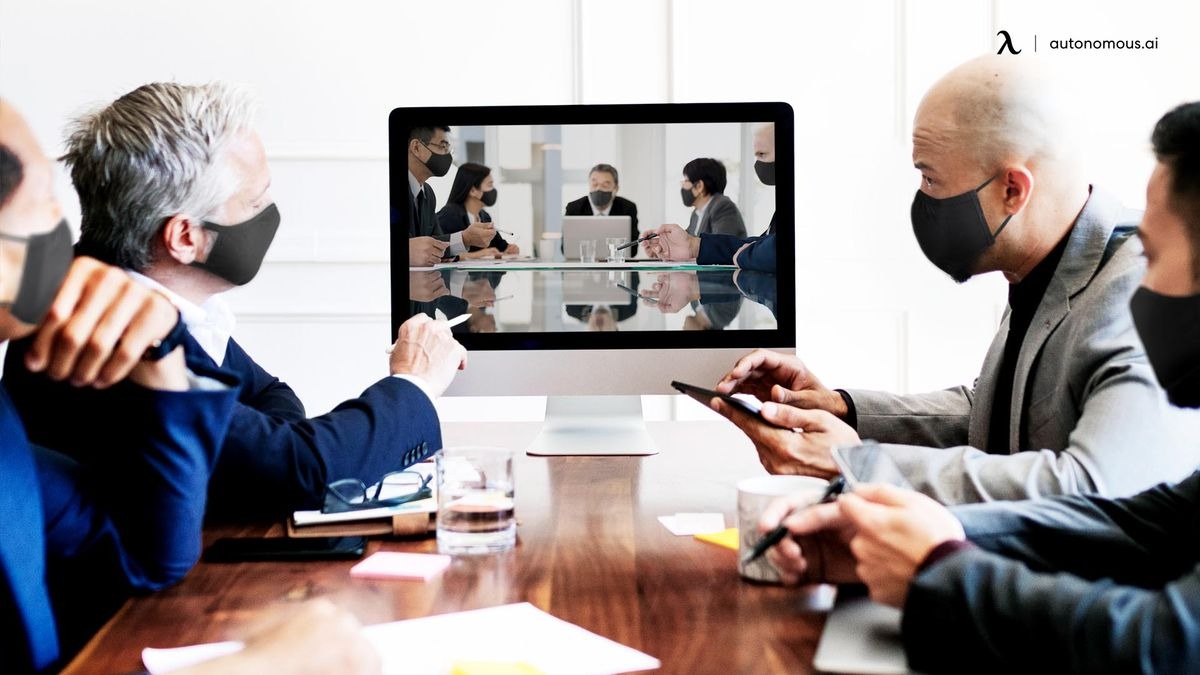
Start with reliable video conferencing software. Video is essential because it helps people connect and read non-verbal cues. Make sure everyone tests their connection before the meeting starts to avoid technical difficulties.
Use a collaborative whiteboard tool that lets everyone contribute simultaneously. Digital whiteboards let team members add sticky notes, vote on ideas, and visually organize thoughts. Popular options include Miro, Mural, or even a shared Google Jamboard.
Have a shared document for taking notes during the meeting. Assign someone to document key points, decisions, and action items. This creates a permanent record that people can reference later. Consider using anonymous feedback tools for sensitive topics. Sometimes, team members hesitate to share honest criticism publicly. Anonymous surveys or feedback forms can uncover issues that might not surface in open discussion.
Project management tools help you track action items from the post-mortem. Connect your post-mortem insights to your existing workflow so improvements actually get implemented.
### Creating A Safe Space For Honest Feedback
The success of your post-mortem meeting depends on psychological safety. Team members must feel comfortable sharing honest feedback without fear of judgment or retaliation. Set ground rules at the beginning of the meeting. Emphasize that the goal is learning, not blaming. Make it clear that all feedback should focus on processes and outcomes, not personal criticism of individuals.
As the facilitator, model the behavior you want to see. Share your own mistakes and lessons learned first. When leaders show vulnerability, it permits others to be honest about their challenges.
Use language that focuses on improvement rather than failure. Instead of asking "What went wrong," ask "What could we do differently next time?" This subtle shift in framing encourages constructive discussion. Thank people for sharing difficult feedback. When someone raises a concern, acknowledge their courage in speaking up. This reinforcement encourages others to share their honest perspectives.
Avoid defensiveness when people criticize decisions or processes you were responsible for. Listen actively, ask clarifying questions, and show genuine interest in understanding their perspective.
### Structuring Your Post-Mortem Meeting
A clear structure keeps your post-mortem meeting focused and productive. While you can adapt the format to your team's needs, most successful post-mortems follow a similar pattern. Begin with a brief project overview. Review the original goals, timeline, and deliverables. This refreshes everyone's memory and provides context for the discussion.
Next, discuss what went well. Starting with positives sets a constructive tone and reminds people of their accomplishments. Ask team members to share specific examples of successes, not just general praise.
Then move to challenges and areas for improvement. Encourage specific examples rather than vague complaints. When someone identifies a problem, ask follow-up questions to understand the root cause.
Discuss unexpected issues that arose during the project. What surprises did the team encounter? How did you handle them? What would you do differently if faced with the same situation again?
Identify lessons learned and actionable improvements. This is where you turn observations into concrete changes. Be specific about what will change and who will be responsible for implementing improvements.
End with appreciation and recognition. Thank team members for their contributions and acknowledge the work that went into the project. This leaves people feeling valued and motivated for future projects.
### Common Mistakes To Avoid
Even well-intentioned teams make mistakes during post-mortem meetings. Being aware of these pitfalls helps you avoid them. Don't skip the post-mortem because the project went well. You learn from successes just as much as failures. Understanding what worked helps you repeat those successes.
Avoid turning the meeting into a blame session. When people fear criticism, they become defensive and stop sharing honest feedback. Keep the focus on processes and outcomes, not personal failings. Don't let one or two voices dominate the conversation. Actively seek input from quieter team members who have valuable perspectives to share.
Avoid vague conclusions like "we need better communication." Be specific about the communication problems that occurred and the concrete changes that will address them. Don't make the meeting too long. Remote meetings are exhausting, and attention spans drop after about 90 minutes. If you need more time, schedule multiple shorter sessions.
Avoid defensiveness when receiving feedback about decisions you made. Leaders who react defensively discourage honest feedback and undermine the purpose of the post-mortem. Don't forget to celebrate successes. If you only focus on problems, people leave feeling discouraged rather than motivated to improve.
### Making Post Mortems A Regular Practice
One post-mortem meeting provides value, but regular post-mortems create a culture of continuous improvement. Making this practice routine multiplies its benefits over time. Schedule post-mortems for every significant project, not just failed ones. Consistency makes the practice normal rather than a signal that something went wrong.
Rotate the facilitator role among team members. This develops facilitation skills across the team and prevents one person's bias from dominating every discussion.
Review past post-mortem reports before starting new projects. This helps teams apply lessons learned and avoid repeating previous mistakes. Track metrics over time to determine whether your post-mortems are driving real improvement. Are projects finishing on time more often? Is team satisfaction increasing? Use data to validate that the process is working.
Continuously improve your post-mortem process. After several post-mortems, conduct a meta-review of the process. What's working well in your post-mortem meetings? What could be better? Share insights from post-mortems across teams in your organization. Lessons learned by one team often apply to others, especially regarding remote work practices.
### Using Time Tracking Data In Post Mortems
Time-tracking data provides objective insights that complement team feedback during post-mortem meetings. When you track time properly, you gain valuable data about how projects actually progress. Review time logs to see where the project took more or less time than estimated. These discrepancies reveal planning inaccuracies or unexpected challenges.
Analyze which tasks or phases consumed the most resources. This helps you allocate time more accurately in future projects. Look for patterns in when team members were most productive. This information helps with scheduling and resource allocation for distributed teams.
Identify tasks that took significantly longer than expected and discuss why. Was the scope unclear? Did the team lack necessary skills? Were there technical obstacles?
Compare actual time spent with budgeted time for each project phase. This validates your estimation process or highlights where you need to improve forecasting.
Tools like[ OpenTimeClock](https://www.opentimeclock.com/) make it easy to track time across remote teams and generate reports for post-mortem analysis. Having accurate time data removes guesswork and helps teams have fact-based discussions about project performance.
### Conclusions
Running effective post-mortem meetings with remote teams requires planning, the right tools, and a commitment to psychological safety. These meetings transform project experiences into organizational learning that improves every future project.
The key is creating a structured process that encourages honest feedback while maintaining a blame-free environment. When team members feel safe sharing their actual experiences, you gain insights that would otherwise remain hidden.
Remote teams especially benefit from post-mortems because they create dedicated time for reflection that might not occur spontaneously. These meetings strengthen team bonds, improve communication, and build the institutional knowledge that helps distributed teams work better together. Remember that the real value comes from acting on what you learn. Document insights clearly, assign specific action items, and follow through on improvements.
### FAQs:
#### 1. How long should a post-mortem meeting last?
Most post-mortem meetings should last between 60 and 90 minutes. This gives enough time for meaningful discussion without exhausting your remote team. For very large or complex projects, you might need two hours, but avoid going longer as attention and energy drop significantly in remote meetings.
#### 2. When is the best time to schedule a post-mortem meeting?
Schedule your post-mortem meeting one to two weeks after project completion. This timing strikes the right balance. If you meet too soon, team members might still be emotionally invested or exhausted, making it hard for them to provide objective feedback. If you wait too long, people forget important details and move on mentally to other projects.
#### 3. Who should attend the post-mortem meeting?
Everyone who contributed significantly to the project should attend the post-mortem meeting. This includes team members, project managers, and key stakeholders who were involved in decision-making. Include people from different functions, such as design, development, marketing, or customer support, if they played important roles.
#### 4. What if team members are reluctant to share honest feedback?
Building psychological safety takes time and consistent effort. Start by setting clear ground rules that emphasize learning over blaming—model vulnerability by sharing your own mistakes first.
#### 5. How do we ensure action items are actually implemented after the post-mortem?
Implementation failure is the most common problem in post-mortem analysis. Prevent this by assigning each action item to a specific person with a clear deadline. Review post-mortem action items at your next team meeting to show you're serious about follow-through.
---
# Agent Instructions
This documentation is published with GitBook. GitBook is the documentation platform designed so that both humans and AI agents can read, navigate, and reason over technical content effectively. Learn more at gitbook.com.
## Querying This Documentation
If you need additional information that is not directly available in this page, you can query the documentation by asking a question.
Perform an HTTP GET request on the following URL with the `ask` and `goal` query parameters:
```
GET https://www.opentimeclock.com/docs/blog2/november-2025/how-to-run-a-project-post-mortem-with-a-remote-team.md?ask=&goal=
```
`ask` is the immediate question: it should be specific, self-contained, and written in natural language.
`goal` is what the user is ultimately trying to achieve, the reason they need the answer. Sharing it helps GitBook give you a better, more relevant answer. A goal is most helpful when it describes the outcome the user wants rather than restating the question. For example, with `ask=how do I create an API token`, a goal like `automate deployments from our CI pipeline` lets GitBook tailor the answer to that use case.
The response will contain a direct answer to the question and relevant excerpts and sources from the documentation.
Use this mechanism when the answer is not explicitly present in the current page, you need clarification or additional context, or you want to retrieve related documentation sections.