> For the complete documentation index, see [llms.txt](https://www.opentimeclock.com/docs/llms.txt). Markdown versions of documentation pages are available by appending `.md` to page URLs; this page is available as [Markdown](https://www.opentimeclock.com/docs/blog2/december-2025/understanding-the-9-80-work-schedule-pros-and-cons.md).
# Understanding the 9/80 Work Schedule: Pros and Cons
Learn everything about the 9/80 work schedule including how it works, benefits, challenges, and whether it's right for your business. Complete guide with examples and tips.
Monday-to-Friday, 9-to-5 is no longer the only business schedule available to businesses. There is an increase in the number of companies that consider alternative work-life schedules that provide the staff with a better work balance and productivity at the same time.
The most popular alternative is the 9/80 schedule where the employees would work an extra day after every two weeks. We are going to describe the nature of a 9/80 work schedule, how it operates, its pros and cons, and whether it can be appropriate to your business in this detailed guide.
### What Is a 9/80 Work Schedule?
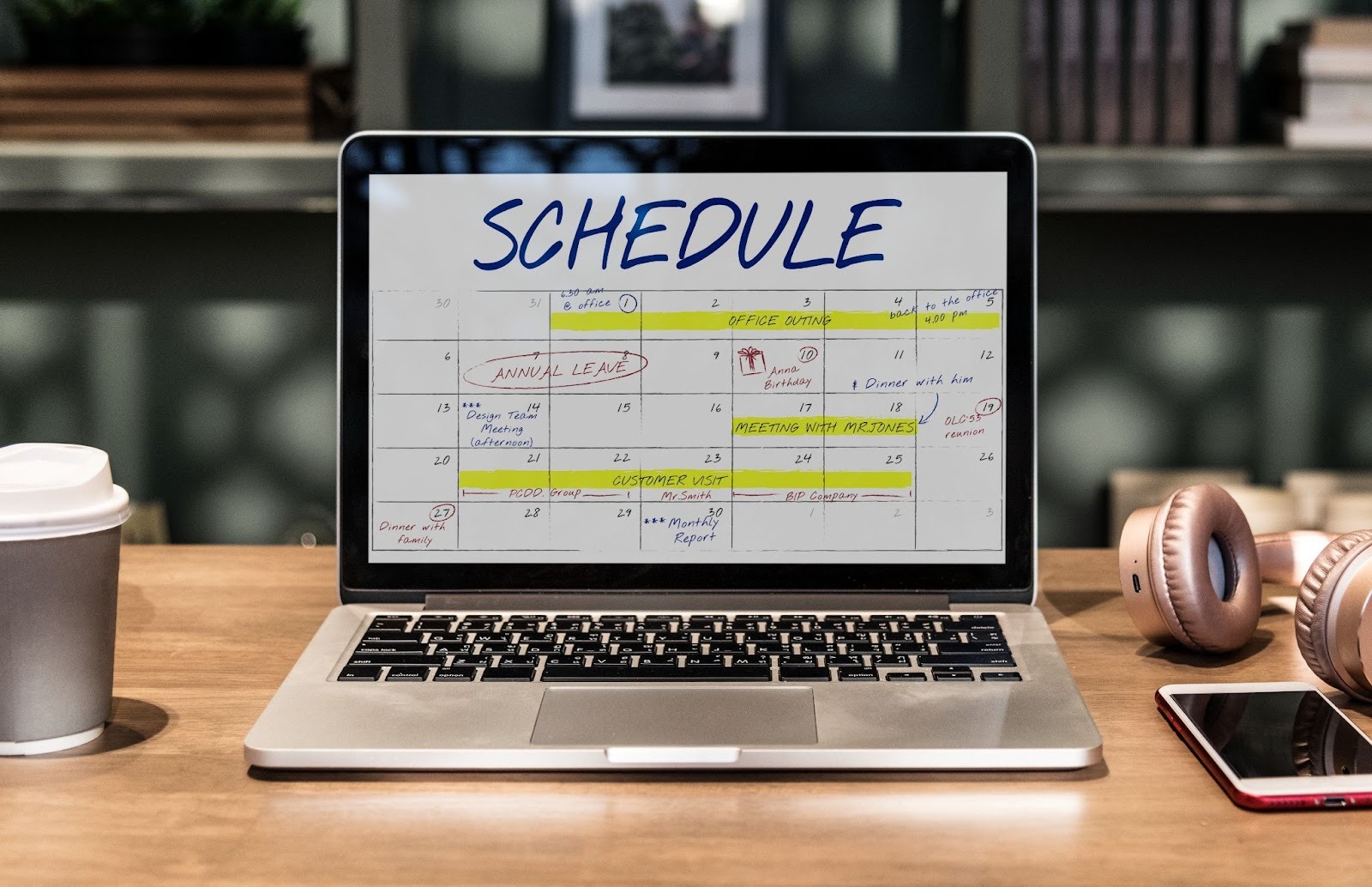
Another type of work arrangement is a 9/80 schedule in which the employees work in 9 days of 80 hours as opposed to the normal ten days (two five-day weeks). This plan leaves the employees with all the other Fridays off and full-time employees.
Here's how the 9/80 work schedule breaks down:
* Week 1: Monday to Friday (9 hours a day), Friday morning (8 hours), 44 hours.
* Week 2: Monday, Tuesday, Thursday, (9 hours a day) work, and Friday work off, equal to 36 hours.
* Total: 80 hours during nine working days.
The most important advantage is that the employees will have 26 additional days off every year with no loss in the amount of working hours or salary they get.
### How Does the 9/80 Work Schedule Work?
Understanding the mechanics of a 9/80 work schedule is important for proper implementation. Let's break it down in detail:
**The Two-Week Cycle:**
The schedule operates on a two-week cycle. In the first week, employees work four 9-hour days plus one 8-hour day (Friday). In the second week, they work four 9-hour days and have Friday off.
**The Friday Split:**
The most complex part of the 9/80 work schedule is how Friday is handled. The Friday that employees work is actually split between two different work weeks for payroll and overtime purposes:
* The first 4 hours of Friday belong to Week 1
* The second 4 hours of Friday start Week 2
This split is crucial because it ensures each work week contains exactly 40 hours, which helps avoid overtime requirements under federal labor law.
**Sample 9/80 Work Schedule:**
**Week 1:**
* Monday: 9 hours (8 AM - 6 PM with 1-hour lunch)
* Tuesday: 9 hours (8 AM - 6 PM with 1-hour lunch)
* Wednesday: 9 hours (8 AM - 6 PM with 1-hour lunch)
* Thursday: 9 hours (8 AM - 6 PM with 1-hour lunch)
* Friday: 8 hours (8 AM - 5 PM with 1-hour lunch) \[Split: 4 hours to Week 1, 4 hours to Week 2]
* Total: 40 hours (Week 1) + 4 hours (starting Week 2)
**Week 2:**
* Monday: 9 hours (8 AM - 6 PM with 1-hour lunch)
* Tuesday: 9 hours (8 AM - 6 PM with 1-hour lunch)
* Wednesday: 9 hours (8 AM - 6 PM with 1-hour lunch)
* Thursday: 9 hours (8 AM - 6 PM with 1-hour lunch)
* Friday: Off
* Total: 36 hours + 4 hours from previous Friday = 40 hours
Using proper[ time tracking software](https://www.opentimeclock.com/) is essential for accurately managing a 9/80 work schedule and ensuring compliance with labor laws.
### Advantages of the 9/80 Work Schedule
The 9/80 work schedule offers numerous benefits for both employees and employers.
#### For Employees:
**Extra Time Off:** The most obvious benefit is getting 26 extra days off per year—nearly an additional month of three-day weekends.
**Better Work-Life Balance:** Having every other Friday off allows employees to schedule appointments, run errands, or recharge without using vacation time.
**Reduced Commuting:** With one less commute every two weeks, employees save money on gas and spend less time in traffic.
**Improved Morale:** Employees generally love the 9/80 work schedule. The extra days off boost job satisfaction.
**Increased Productivity:** Many employees report being more focused during their 9-hour days, knowing they have a three-day weekend approaching.
#### For Employers:
**Attraction and Retention:** Offering a 9/80 work schedule makes your company more attractive to job seekers and helps retain current employees.
**Reduced Overhead Costs:** When employees are off on alternate Fridays, businesses can save on utilities and operational costs.
**Improved Employee Satisfaction:** Happy employees are more productive and take fewer sick days.
**Maintained Productivity:** Studies show that productivity doesn't decrease with a 9/80 work schedule.
Implementing[ comprehensive workforce management tools](https://www.opentimeclock.com/) helps employers track productivity and ensure the schedule works effectively.
### Disadvantages of the 9/80 Work Schedule
While the 9/80 work schedule has many benefits, it's important to understand the challenges:
#### For Employees:
**Longer Workdays:** Nine-hour workdays can be exhausting, especially for employees with long commutes or family responsibilities.
**Childcare Challenges:** Parents may struggle to find childcare that covers the extended hours, as many daycare centers close by 6 PM.
**Less Flexibility:** You need to work those nine hours consistently, which can be challenging on difficult days.
**Energy Levels:** By the end of a 9-hour day, concentration and productivity may decline.
#### For Employers:
**Complex Scheduling:** Managing a 9/80 work schedule requires careful planning, especially for businesses needing continuous coverage.
**Customer Service Coverage:** You need to ensure adequate staffing on Fridays even with some employees off.
**Payroll Complexity:** The Friday split between two work weeks complicates payroll and timekeeping.
**Industry Limitations:** Some industries simply can't accommodate this schedule due to operational demands.
**Not Suitable for Everyone:** Some employees may prefer traditional schedules.
### Industries Where 9/80 Work Schedule Works Best
The 9/80 work schedule isn't suitable for every business, but it works particularly well in certain industries:
**Technology Companies:** Many tech companies have adopted the 9/80 work schedule successfully because work is often project-based and less dependent on specific hours.
**Engineering Firms:** Engineers often work on projects that benefit from longer, uninterrupted work sessions, making 9-hour days practical.
**Administrative Offices:** Office environments where work doesn't require real-time customer interaction can easily implement this schedule.
**Government Agencies:** Many government organizations use the 9/80 work schedule, especially at the federal level.
**Manufacturing:** Some manufacturing facilities have successfully implemented this schedule by adjusting shift rotations.
**Professional Services:** Accounting firms, consulting companies, and similar businesses can often accommodate this schedule.
Industries that typically struggle with the 9/80 work schedule include retail (which needs weekend and evening coverage), healthcare (which requires 24/7 staffing), hospitality, and customer service centers.
### How to Implement a 9/80 Work Schedule
If you're considering implementing a 9/80 work schedule, follow these steps:
**Step 1:** Assess Feasibility - Evaluate whether your business operations and customer needs allow for this schedule.
**Step 2:** Check Legal Requirements - Consult with an employment lawyer to ensure compliance with labor laws.
**Step 3:** Survey Employees - Ask if employees are interested and gather feedback about concerns.
**Step 4:** Create a Policy - Develop a clear written policy explaining how the schedule works.
**Step 5:** Choose Time Tracking Software - Implement reliable[ time tracking software](https://www.opentimeclock.com/) that can handle the unique requirements.
**Step 6:** Plan Coverage - Determine how you'll maintain adequate staffing on alternating Fridays.
**Step 7:** Train Everyone - Educate managers and employees about the schedule and expectations.
**Step 8:** Start with a Trial - Implement as a pilot program for 3-6 months before making it permanent.
**Step 9:** Monitor and Adjust - Track productivity, satisfaction, and issues that arise.
**Step 10:** Gather Feedback - Regularly ask for feedback about what's working and what needs improvement.
### Managing a 9/80 Work Schedule with Technology
Technology is crucial for successfully managing a 9/80 work schedule:
**Time Tracking System:** You need software that can handle the Friday split correctly and calculate hours for each work week properly.
**Scheduling Tools:** Digital scheduling helps plan which employees have which Fridays off and ensures proper coverage.
**Payroll Integration:** Your time tracking should integrate seamlessly with payroll to handle the week-splitting correctly.
Comprehensive[ employee management solutions](https://www.opentimeclock.com/) that combine time tracking, scheduling, and payroll make managing a 9/80 work schedule much easier and accurate.
### Common Mistakes to Avoid
When implementing a 9/80 work schedule, avoid these pitfalls:
**Incorrect Friday Split:** Failing to properly split Friday between two work weeks can result in overtime issues.
**Poor Communication:** Not clearly explaining the schedule leads to confusion and time tracking errors.
**Inadequate Coverage:** Failing to plan for staffing on Fridays can disrupt operations.
**Forcing Participation:** Making the schedule mandatory when some prefer traditional hours hurts morale.
**Neglecting Technology:** Managing without proper systems leads to errors and compliance problems.
### Alternatives to the 9/80 Work Schedule
If the 9/80 work schedule doesn't fit your business, consider these alternatives:
**4/10 Schedule:** Employees work four 10-hour days per week with three-day weekends every week.
**Flextime:** Employees choose their own start and end times within certain parameters while working 40 hours weekly.
**Remote Work:** Allowing employees to work from home some or all days.
**Hybrid Schedule:** Combining remote work with in-office days for flexibility.
Each alternative has its own advantages. The key is finding what works for your specific business and employees.
### Is the 9/80 Work Schedule Right for Your Business?
Deciding whether to implement a 9/80 work schedule requires honest assessment of several factors:
Consider "Yes" if:
* Your business can function with some employees off on Fridays
* Work is project-based rather than time-based
* Employees have expressed interest in alternative schedules
* You want to improve recruitment and retention
* Your industry and competitors support flexible arrangements
* You have or can implement proper time tracking systems
Consider "No" if:
* You need full staffing every weekday
* Your industry requires traditional scheduling
* Customer service demands don't allow reduced Friday coverage
* Employees have expressed preference for traditional schedules
* You lack the technology to manage the complexity
* Regulatory requirements prevent alternative schedules
### Conclusions
The 9/80 work schedule represents a modern approach to work-life balance that benefits both employers and employees when implemented correctly. While it's not suitable for every business or industry, it offers significant advantages for companies that can make it work.
The key to success with a 9/80 work schedule is proper planning, clear communication, reliable technology, and ongoing monitoring. Employees gain valuable extra time off without sacrificing pay or hours, while employers gain a competitive advantage in attracting and retaining talent.
Before implementing this schedule, carefully consider your business needs, employee preferences, industry requirements, and operational capabilities. Make sure you have the right[ time tracking and scheduling tools](https://www.opentimeclock.com/) to manage the complexity accurately.
If you decide the 9/80 work schedule is right for your organization, start with a trial period, gather feedback regularly, and be willing to make adjustments. With the right approach, this alternative schedule can transform your workplace culture and create a win-win situation for everyone involved.
### FAQs:
#### 1. What is a 9/80 work schedule?
A 9/80 work schedule is an arrangement where employees work 80 hours over nine days instead of ten days. They work four 9-hour days and one 8-hour day in the first week, then four 9-hour days in the second week with Friday off, giving them every other Friday off while maintaining full-time hours.
#### 2. How does the Friday split work in a 9/80 work schedule?
The working Friday is split between two work weeks for payroll purposes. The first 4 hours count toward the previous work week, and the last 4 hours start the new work week. This ensures each work week contains exactly 40 hours to avoid overtime complications.
#### 3. What are the main benefits of a 9/80 work schedule?
The main benefits include 26 extra days off per year, better work-life balance, reduced commuting costs, improved employee morale, and increased productivity. Employers benefit from higher employee satisfaction, better recruitment, and reduced overhead costs on alternate Fridays.
#### 4. Do I need special software to manage a 9/80 work schedule?
Yes, reliable time tracking software is essential for properly managing a 9/80 work schedule. The software must correctly handle the Friday split between work weeks and accurately calculate hours to ensure compliance with overtime laws and proper payroll processing.
---
# Agent Instructions
This documentation is published with GitBook. GitBook is the documentation platform designed so that both humans and AI agents can read, navigate, and reason over technical content effectively. Learn more at gitbook.com.
## Querying This Documentation
If you need additional information that is not directly available in this page, you can query the documentation dynamically by asking a question.
Perform an HTTP GET request on the current page URL with the `ask` query parameter, and the optional `goal` query parameter:
```
GET https://www.opentimeclock.com/docs/blog2/december-2025/understanding-the-9-80-work-schedule-pros-and-cons.md?ask=&goal=
```
`ask` is the immediate question: it should be specific, self-contained, and written in natural language.
`goal` is optional and describes the broader end goal you are ultimately trying to accomplish on behalf of the user. GitBook uses it to tailor the answer towards what is most useful for that goal.
The response will contain a direct answer to the question and relevant excerpts and sources from the documentation.
Use this mechanism when the answer is not explicitly present in the current page, you need clarification or additional context, or you want to retrieve related documentation sections.