> For the complete documentation index, see [llms.txt](https://www.opentimeclock.com/docs/llms.txt). Markdown versions of documentation pages are available by appending `.md` to page URLs; this page is available as [Markdown](https://www.opentimeclock.com/docs/blog2/november-2025/employee-disciplinary-action-options-explored.md).
# Employee Disciplinary Action: Options Explored
Learn about employee disciplinary action options, from verbal warnings to termination. Discover best practices, common mistakes to avoid, and how to implement fair discipline policies effectively.
## Employee Disciplinary Action: Options Explored
Managing employee behavior and performance is one of the most challenging responsibilities for any business owner or manager. When employees fail to meet expectations or violate company policies, taking appropriate disciplinary action becomes necessary. But what exactly is disciplinary action, and what options do you have as an employer? This comprehensive guide will help you understand the different types of disciplinary actions available and how to implement them fairly and effectively.
### What is Disciplinary Action?
Disciplinary action is a formal response taken by employers when employees engage in misconduct, violate company rules, or fail to meet performance standards. It's not meant to be a punishment but rather a corrective measure designed to help employees understand what went wrong and how they can improve. The main goal is to address problematic behavior while giving employees a fair opportunity to correct their actions.
When managed properly, disciplinary action protects your business, maintains workplace standards, and ensures that all employees are treated fairly and consistently. It's an essential part of creating a professional work environment where everyone understands the rules and consequences.
### Why Disciplinary Action Matters
Before diving into the types of disciplinary action available, it's important to understand why having a structured approach matters for your business:
Maintains Workplace Standards: When you enforce policies consistently, you show employees that rules matter and that everyone is held to the same standards. This creates a fair and professional environment.
Legal Protection: Proper documentation of disciplinary actions protects your business from potential lawsuits. If an employee claims wrongful termination or discrimination, you'll have clear records showing that you followed fair procedures.
Improves Employee Performance: Disciplinary action, when done right, helps employees understand where they're falling short and gives them a roadmap for improvement. Many employees genuinely want to do better when given clear guidance.
Supports Time Management: When employees understand that behaviors like chronic tardiness have consequences, they're more likely to respect company time policies. Tools like[ time clock software](https://www.opentimeclock.com/) can help you track attendance accurately and identify patterns that may require disciplinary attention.
### The Progressive Discipline Process
Most companies use a progressive discipline approach, which means that disciplinary actions become increasingly serious if the employee doesn't improve. A typical progression looks like this:
1. Verbal warning
2. Written warning
3. Final written warning
4. Suspension
5. Termination
However, this isn't a rigid ladder that you must climb step by step. Some offenses are serious enough to skip earlier steps. For example, if an employee assaults a coworker, you would likely move straight to suspension and termination rather than starting with a verbal warning.
The key is that your disciplinary policy should clearly outline which offenses warrant which responses, and you should apply this policy consistently to all employees.
### Common Situations Requiring Disciplinary Action
Understanding when to take disciplinary action is just as important as knowing what action to take. Here are some common situations that typically require discipline:
#### Attendance Issues
Chronic tardiness and excessive absences can disrupt your entire operation. When employees frequently arrive late or miss work without proper notice, it affects team productivity and morale.
Using[ employee time tracking software](https://www.opentimeclock.com/) can help you monitor attendance patterns objectively. When you notice a pattern developing, address it early with a verbal warning before it becomes a bigger problem.
#### Performance Problems
When an employee consistently fails to meet job expectations, misses deadlines, or produces substandard work, it's time for disciplinary action. Start by making sure the employee clearly understands what's expected, has the necessary training and resources, and receives regular feedback.
#### Policy Violations
Whether it's dress code violations, improper use of company equipment, or breaking safety rules, policy violations must be addressed. Make sure your employee handbook clearly outlines all policies so employees can't claim they didn't know the rules.
#### Misconduct
Misconduct includes behaviors like dishonesty, insubordination, harassment, discrimination, or theft. These are more serious offenses that often warrant skipping to more severe disciplinary actions.
#### Time Theft
Time theft happens when employees claim to be working when they're not—like clocking in for a coworker, taking excessive breaks, or inflating hours on timesheets. This is a serious issue that can cost your business significantly. Using reliable[ time clock systems](https://www.opentimeclock.com/) with features like GPS tracking or biometric verification can help prevent time theft.
### Best Practices for Implementing Disciplinary Action
Taking disciplinary action isn't easy, but following these best practices will help you handle it professionally and fairly:
#### Be Consistent
Apply your disciplinary policy the same way to all employees. If you give one employee a verbal warning for tardiness but terminate another for the same offense, you're opening yourself up to claims of discrimination or unfair treatment.
#### Document Everything
Keep detailed records of all disciplinary actions, from verbal warnings to terminations. Your documentation should include:
* Date and time of incidents
* Description of the problem behavior
* What was discussed during disciplinary meetings
* What the employee said in response
* Any commitments or improvement plans agreed upon
* Signatures when possible
Good documentation is your best defense if an employee challenges your decisions.
#### Investigate First
Before taking formal disciplinary action, especially for serious offenses, conduct a thorough investigation. Talk to witnesses, review relevant documents or records, and get the full story. Don't rush to judgment based on hearsay or assumptions.
#### Have Private Conversations
Disciplinary discussions should always happen in private, never in front of other employees. This protects the employee's dignity and prevents unnecessary workplace drama.
#### Focus on Behavior, Not the Person
When discussing problems, focus on specific behaviors and actions rather than attacking the employee's character. Say "You've been late three times this week" rather than "You're irresponsible."
#### Listen to the Employee
Give employees a chance to explain their side of the story. There may be circumstances you're not aware of that affect the situation. While this doesn't necessarily excuse the behavior, it helps you make more informed decisions.
#### Follow Your Own Policy
Once you've established a disciplinary policy in your employee handbook, stick to it. Deviating from your stated procedures can create legal problems.
#### Provide Support
When appropriate, offer resources to help employees improve. This might include additional training, mentoring, or adjusting their workload temporarily. Show that you genuinely want them to succeed.
#### Use Technology Wisely
Modern[ time and attendance software](https://www.opentimeclock.com/) can make the disciplinary process easier by providing objective data about employee behavior. When you have accurate records of clock-ins, clock-outs, breaks, and attendance patterns, you can address issues with confidence and concrete evidence.
### Creating a Disciplinary Action Policy
If you don't already have a formal disciplinary action policy, now is the time to create one. Your policy should include:
1. Types of offenses: List specific behaviors that will result in discipline, categorized by severity.
2. Disciplinary procedures: Outline the steps you'll follow for different types of offenses.
3. Documentation requirements: Explain how disciplinary actions will be documented and where records will be kept.
4. Appeal process: Give employees a way to appeal disciplinary decisions they believe are unfair.
5. At-will employment disclaimer: If you're in an at-will employment state, include a statement that the policy doesn't create an employment contract.
Make sure every employee receives a copy of your disciplinary policy, ideally during onboarding, and require them to sign an acknowledgement that they've read and understood it.
### Avoiding Common Mistakes
Even with the best intentions, employers sometimes make mistakes when handling disciplinary action. Here are some pitfalls to avoid:
#### Acting in Anger
Never discipline an employee when you're angry or emotional. Take time to cool down and think through the situation objectively.
#### Being Vague
Don't use general statements like "your attitude needs to improve." Be specific about what behaviors are problematic and what you expect instead.
#### Ignoring Small Issues
Don't let small problems fester hoping they'll go away. Address issues early when they're still manageable.
#### Making Empty Threats
If you tell an employee that "next time will be their last chance," you need to follow through. Empty threats destroy your credibility.
#### Discriminating
Apply rules equally regardless of age, race, gender, religion, or other protected characteristics. Inconsistent enforcement can lead to discrimination claims.
#### Skipping Documentation
Even if you have a good memory, always document disciplinary actions. Memories fade and become less reliable over time, but written records don't.
### The Role of Technology in Disciplinary Action
Modern technology, particularly time tracking and attendance systems, plays an important role in the disciplinary process. Here's how:
**Objective Data:**[ Time clock software](https://www.opentimeclock.com/) provides factual, unbiased records of when employees clock in and out. This removes "he said, she said" disputes about attendance.
**Pattern Recognition:** Good time tracking systems make it easy to spot patterns like frequent Monday absences or consistent late arrivals. Identifying patterns early lets you address problems before they get serious.
**Automatic Alerts:** Some systems can alert managers when employees are approaching overtime, miss a scheduled shift, or violate time policies. This enables quick responses.
**Easy Documentation:** Digital time records are automatically saved and organized, making it simple to pull attendance reports when documenting disciplinary issues.
**Fairness:** When everyone's time is tracked the same way, it's harder for anyone to claim they're being singled out or treated unfairly.
### Conclusions
Disciplinary action is never enjoyable, but it's a necessary part of managing a successful business. The key is to approach it with clear policies, consistent application, proper documentation, and a genuine desire to help employees improve rather than simply punish them.
Remember that most employees want to do good work. When problems arise, often it's because expectations weren't clear, circumstances changed, or the employee needs additional support. By taking a fair, structured approach to discipline, you give employees every opportunity to succeed while protecting your business interests.
Whether you're dealing with minor attendance issues or serious misconduct, having the right tools and policies in place makes the process smoother for everyone involved. Invest in good systems, train your managers properly, and always treat employees with dignity and respect—even during difficult conversations.
### FAQs:
#### 1. What is the difference between disciplinary action and termination?
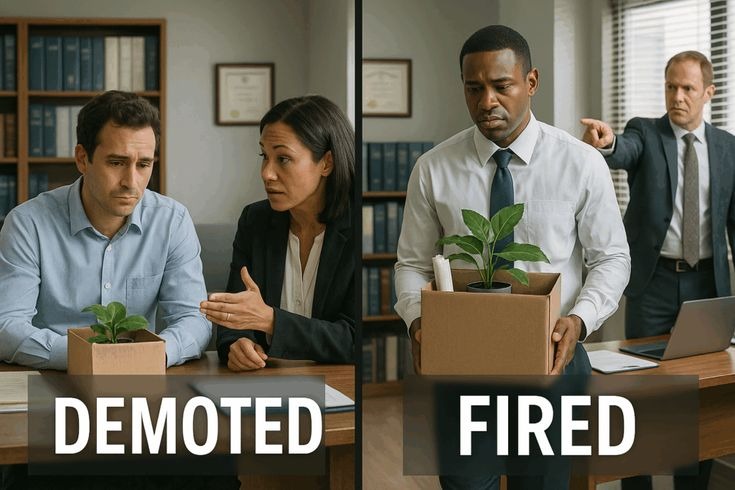
Disciplinary action is a broad term that includes various corrective measures taken to address employee misconduct or poor performance. These actions range from verbal warnings to written warnings, suspensions, and demotions. Termination, on the other hand, is the most severe type of disciplinary action where the employee is permanently removed from the organization. Disciplinary action is often designed to give employees opportunities to improve, while termination means the employment relationship has ended. Most companies use progressive discipline, meaning they try less severe actions before moving to termination.
#### 2. Do I need to follow progressive discipline for all offenses?
No, progressive discipline doesn't apply to all situations. While many companies use a progressive approach (verbal warning, written warning, final warning, suspension, termination) for common issues like tardiness or minor policy violations, some offenses are serious enough to warrant immediate suspension or termination.
#### 3. How long should I keep disciplinary records in employee files?
Generally, disciplinary records should be kept for at least the duration of employment plus several years after termination. Many employers keep these records for 3-7 years after an employee leaves, as this covers most statute of limitations periods for employment-related lawsuits. However, requirements vary by state and situation. Some serious offenses like harassment or safety violations might warrant longer retention. Consult with an employment attorney or HR professional about specific retention requirements in your area. Always store these records securely to protect employee privacy.
#### 4. Can an employee refuse to sign a disciplinary notice?
Yes, employees can refuse to sign disciplinary documents. However, their refusal doesn't invalidate the disciplinary action. The signature simply acknowledges that the employee received and reviewed the document—it doesn't mean they agree with it. If an employee refuses to sign, you should note their refusal on the document with the date and have a witness present who can also sign confirming the employee was given the notice.
#### 5. How can time tracking software help with disciplinary issues?
Time tracking software provides objective, accurate data that can support disciplinary decisions related to attendance and time-related issues. It eliminates disputes about when employees arrived, left, or took breaks by creating automatic digital records. This makes it easier to identify patterns like chronic tardiness or excessive absences, and provides clear documentation when you need to address these issues.
---
# Agent Instructions
This documentation is published with GitBook. GitBook is the documentation platform designed so that both humans and AI agents can read, navigate, and reason over technical content effectively. Learn more at gitbook.com.
## Querying This Documentation
If you need additional information that is not directly available in this page, you can query the documentation by asking a question.
Perform an HTTP GET request on the following URL with the `ask` and `goal` query parameters:
```
GET https://www.opentimeclock.com/docs/blog2/november-2025/employee-disciplinary-action-options-explored.md?ask=&goal=
```
`ask` is the immediate question: it should be specific, self-contained, and written in natural language.
`goal` is what the user is ultimately trying to achieve, the reason they need the answer. Sharing it helps GitBook give you a better, more relevant answer. A goal is most helpful when it describes the outcome the user wants rather than restating the question. For example, with `ask=how do I create an API token`, a goal like `automate deployments from our CI pipeline` lets GitBook tailor the answer to that use case.
The response will contain a direct answer to the question and relevant excerpts and sources from the documentation.
Use this mechanism when the answer is not explicitly present in the current page, you need clarification or additional context, or you want to retrieve related documentation sections.