> For the complete documentation index, see [llms.txt](https://www.opentimeclock.com/docs/llms.txt). Markdown versions of documentation pages are available by appending `.md` to page URLs; this page is available as [Markdown](https://www.opentimeclock.com/docs/blog1/november-2025/top-12-ways-to-use-gps-time-data-to-improve-route-planning-for-field-teams.md).
# Top 12 ways to use GPS time data to improve route planning for field teams
Discover how GPS time data improves field team route planning, reduces travel delays, saves fuel, and increases daily efficiency. Learn practical ways to optimize routes and balance workload.
In today’s modern fieldwork world, [GPS time data](https://www.opentimeclock.com/) has become a powerful tool that tracks every move and records the exact time of each route. Field teams need fast, safe, and fuel-efficient travel, and GPS time data helps achieve these goals. This data accurately times each stop, provides clear timing for each break, and shows the true load of each route. It solidifies the team’s daily planning and streamlines their journey. Companies that use GPS time data see significant improvements in their work speed, reduced fuel loss, and reduced team stress. GPS time data is a digital guide that tracks every step and makes every trip smart.
### Standard route mapping
GPS time data makes standard route mapping clear and accurate. Field teams need consistent routes during their daily commute to ensure their work time is safe. When GPS time data is used, there is a real-time record of each route, and teams know which route is fast and which is slow. Standard mapping makes teams’ journeys smoother and gives them a clear sense of every turn. This reduces their work pressure and makes their field day easier.
GPS time data also highlights route congestion, which helps determine which roads to avoid during rush hour. This data is the perfect guide for tracking frequent trips, daily speeds, and daily distances. Standard route mapping helps companies save fuel, time, and team energy. When field teams have a consistent map, their work rate improves and their day is under control. This method is both simple and smart.
### Real-time delay check
[Real-time](https://www.opentimeclock.com/) delay check is a powerful support system for field teams. When GPS time data gives live updates, the team immediately knows whether the road is slow or fast. Every field team faces unexpected delays in their daily commute, and this slow factor disrupts their work. GPS time data pinpoints the exact source of the delay so that the team can change their route immediately.
This feature saves fuel, saves time and keeps the team out of the rush hour chaos. Real-time delay check gives the company clear statistics and can see which zones have the most delays. This makes future planning smarter. When the team sees delays, they choose an alternative route that stabilizes their day. Live delay check helps them choose safe routes and keep their journey calm. This feature is very valuable for any company that does field work.
### Stop time analysis
GPS time data plays a powerful role in stop time analysis. When field teams are on the ground, every stop counts. Sometimes there are long breaks, sometimes there are delays on site, and sometimes the team has to wait en route. Stop time analysis reveals the exact duration of each stop, showing where extra time was wasted during the day. This insight improves route planning and keeps the team disciplined.
When managers look at stop time records, they get a true picture of how the team’s day went. Stop time analysis also highlights fuel consumption because idle time burns fuel. This lets the company know where to reduce idle stops. When field teams see their stop history, their travel speeds improve and their route habits become more consistent. This analysis makes every field team a smarter worker.
### Route comparison
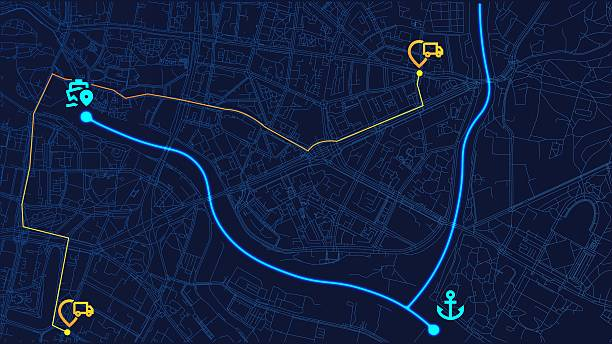
GPS time data makes route comparisons easy and clear. Field teams often have two or three possible routes, and they must decide which plan is best. Using GPS time data provides the average travel time for each route. The delay rate is obtained for each route. The fuel consumption is obtained for each route. When these numbers are in front of us, decisions are made faster. Route comparison makes daily planning safer and helps the team get the best value from each trip. When field teams see that route A takes 30 minutes and route B takes 42 minutes, they immediately choose A.
This method improves the quality of work and saves time every day. GPS time data highlights the strengths of the route and exposes the weakest routes. Companies that use this method reduce annual fuel costs and reduce annual time wasted.
### Workforce load balancing
GPS time data plays a very strong role in balancing the workload of the workforce. The workload is never equal among field teams. Some teams have long commutes and some teams have short commutes. This imbalance increases team stress. GPS time data highlights the daily commute time of each team, so the manager can see which team is carrying the most load. When the workload is clear, planning is fair. Teams get equal routes.
Each member’s energy remains stable. Work pressure is reduced. The company’s field output improves. GPS time data also generates workload maps, which show the workload levels in the field zone. This data makes planning for the next day easier and fairer. Balancing the workforce workload strengthens the company culture and raises team morale.
### Fuel Smart Travel
GPS time data makes fuel smart travel easy. When teams use faster routes, fuel consumption is reduced. When idle stops are reduced, fuel is saved. When delays are avoided, fuel burn is reduced. GPS time data shows the fuel burn pattern of each route, so managers can see which route is cost-effective. Fuel smart travel keeps company budgets stable and field costs under control. When teams have clear fuel statistics, their travel habits improve. This significantly reduces annual fuel costs. The method is simple and produces strong results.
### Safety-driven routing
GPS real-time data improves safety-driven routing. Every field team needs safe travel. Some roads are dangerous, some zones have slow hazards, and some routes are unsafe at night. GPS real-time data highlights safety statistics that help the team choose the safest route. This approach strengthens team safety. When a safe route is used, the team’s stress is reduced and their travel confidence is higher. Safety-driven routing also enhances the company’s image. This approach is essential for any organization that involves field travel.
### Travel Pattern Study
GPS time data provides advanced support for travel pattern studies, a feature that is of strong importance to any field setup. Keeping daily travel records gives the company a clear idea of which areas the team has spent the most time in. The system tracks the movement of each route and also indicates which zones slow down travel. Teams sometimes encounter traffic jams, roadblocks, and long delays in reaching the site. Travel pattern studies highlight these everyday problems. This information helps the company plan which zones to avoid and which routes deliver faster results.
This approach helps field teams guide their day intelligently. When the company repeatedly fixes slow areas, daily travel speeds improve and the team’s hours are more stable. Studying the patterns provides long-term benefits because it makes future planning easier. The company reviews weekly or monthly travel patterns and uses real-time data to develop new strategies.
### Attendance synchronization and proof
GPS time data provides strong value in attendance synchronization, making it a critical system for every field company. When field teams are on site, their exact entry time is recorded, and the exact exit time is also stored. This digital record provides proof that the team was active on the ground. When attendance is synchronized, payroll issues are reduced and disputes are kept under control. Managers have a clear idea of how long the team was active in the field and how long they waited at each location. Attendance synchronization creates transparency, which is helpful for both the company and the staff.
GPS entry logs also prevent fraudulent time claims, making fake entries impossible. This feature improves team confidence and provides a fair system for staff. The company stores this data in a weekly record, and whenever there is any confusion, the GPS logs serve as strong evidence. This approach improves accountability, strengthens field discipline, and makes the overall workflow safe and organized. The system also provides long-term benefits.
### Client Visit Optimization
GPS time data provides key support in client visit optimization and simplifies the daily work of each field team. When the company knows the actual travel time in the client zone and the distance from the team’s current location, trip planning becomes faster. In case of urgent matters, the manager immediately selects the closest team, which significantly improves the speed of response. This method reduces client stress and improves service quality. GPS time data also shows the actual delay of each route, which helps the team decide which route is best to use.
When the trip planning is clear, the team’s travel is reduced, fuel is saved and the stress of the day is reduced. Client visit optimization also improves client confidence as they receive faster responses and their service needs are met on time. The company uses this system on a daily basis, which keeps the workflow stable. Client mapping and GPS statistics combine to create a robust workflow that takes field work to the next level.
### Forecast travel planning
GPS time data provides advanced support for predictive travel planning, and this feature helps every company make better decisions. When an organization has past travel records, it can accurately predict future travel times. Peak times are predicted, the impact of slow routes is predicted, and weather delays are also estimated. Planning becomes more streamlined when the company knows when there is rush hour and when the roads are clear.
Predictive travel planning gives field teams a more stable day, because they know which hours are safe and which times to avoid. The system saves fuel by avoiding unnecessary delays. Managers use this data in daily planning, which streamlines the workload and reduces travel waste. Predictive travel planning provides long-term benefits because the system uses historical data and provides new insights every week. Companies use this method to improve their annual planning.
### Smart task scheduling
GPS time data plays a very strong role in smart task scheduling and has become the best tool for modern field work. When the manager has a real-time estimate of the exact location of the team, he assigns tasks faster. The team that is nearby gets jobs immediately, which reduces delays and reduces travel waste. Smart task scheduling makes the field teams’ day more seamless because they do not have to make unnecessary long trips. This system saves fuel, saves the team’s energy and keeps the workload fair.
When the manager uses daily GPS statistics, he gets a clear picture of each zone. This picture shows which area is busy and which area is empty. When tasks are distributed using a smart method, the company’s productivity is strengthened and the team’s efficiency is higher. Smart scheduling reduces stress, improves service speed, and speeds up client response times. This system also improves the company culture because each member gets fair tasks and a balanced day is maintained.
### Conclusions
GPS time data has become a complete smart system for field teams. This data clarifies routes, reduces delays, saves fuel, and improves safety. Field teams make better decisions when they have real-time data. Companies save annual costs and improve team productivity by using GPS time data. In today’s modern field world, GPS time data has become an essential tool for every organization. It strengthens system planning and makes daily field travel smart and consistent.
### FAQs:
#### 1. What is GPS time data in field operations?
GPS time data is a digital record that shows the exact travel times, stop times, and route durations of field teams. It helps companies understand real movement patterns and improve route planning.
#### 2. How does GPS time data reduce travel delays?
GPS time data highlights slow routes, peak hours, and high-traffic zones. This helps teams avoid delay-heavy paths and choose faster, more stable routes.
#### 3. Can GPS time data help save fuel costs?
Yes. When teams use faster and shorter routes, avoid idle stops, and reduce unnecessary detours, fuel usage becomes more efficient and overall fuel cost goes down.
#### 4. Why is GPS time data important for client visit planning?
It helps the company assign the nearest team to a client location, which increases speed, improves service quality, and builds stronger client trust.
#### 5. How does GPS time data support smart task scheduling?
Managers can see the real-time location and workload of each team, allowing them to assign tasks more fairly and reduce long travel times.
---
# Agent Instructions
This documentation is published with GitBook. GitBook is the documentation platform designed so that both humans and AI agents can read, navigate, and reason over technical content effectively. Learn more at gitbook.com.
## Querying This Documentation
If you need additional information that is not directly available in this page, you can query the documentation by asking a question.
Perform an HTTP GET request on the following URL with the `ask` and `goal` query parameters:
```
GET https://www.opentimeclock.com/docs/blog1/november-2025/top-12-ways-to-use-gps-time-data-to-improve-route-planning-for-field-teams.md?ask=&goal=
```
`ask` is the immediate question: it should be specific, self-contained, and written in natural language.
`goal` is what the user is ultimately trying to achieve, the reason they need the answer. Sharing it helps GitBook give you a better, more relevant answer. A goal is most helpful when it describes the outcome the user wants rather than restating the question. For example, with `ask=how do I create an API token`, a goal like `automate deployments from our CI pipeline` lets GitBook tailor the answer to that use case.
The response will contain a direct answer to the question and relevant excerpts and sources from the documentation.
Use this mechanism when the answer is not explicitly present in the current page, you need clarification or additional context, or you want to retrieve related documentation sections.