> For the complete documentation index, see [llms.txt](https://www.opentimeclock.com/docs/llms.txt). Markdown versions of documentation pages are available by appending `.md` to page URLs; this page is available as [Markdown](https://www.opentimeclock.com/docs/blog1/february-2026/best-time-tracking-setup-for-warehouses-with-multiple-shift-waves.md).
# Best Time Tracking Setup for Warehouses With Multiple Shift Waves
Discover the best time tracking setup for warehouses with multiple shift waves to improve accuracy, control overtime, and streamline operations.
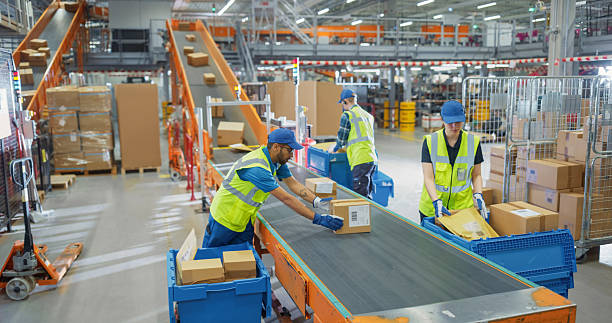
Warehouse environments are inherently based on high volume, rapid-paced operations with multiple waves of shifts taking place throughout the day. Morning, afternoon and night shifts frequently have overlap periods where one team leaves and another enters. A simple time tracking set-up won't work in this overlapping structure, as the traffic can be heavy at the same time. If the punch process is slow or equipment is limited, queues can develop which directly affects productivity. Many warehouses still use manual registers or shared terminals which cause delays and errors.
Accurate tracking in the shift wave model is important to keeping labor costs under control and the ability to accurately calculate overtime. Designing a streamlined and scalable [time tracking](https://www.opentimeclock.com/) set up is essential for operational stability. The system should cope with high traffic and capture the real-time data. Clear workflows for smooth shift transition and compliance. A solid establishment is a basis of warehouse efficiency and workforce discipline.
### Stations have exclusive clocks and entry points all over the station
Due to the existence of multiple shift waves in a warehouse, crowds are naturally formed at the points of entry and exit. If there is only one time clock device, congestion and delays are inevitable. Therefore, it is necessary to place a dedicated time clock station at every major entry and exit door. The device needs to be rugged and industrial grade (for dust and temperature differences). Fast authentication methods like badge scans or biometric punches help to increase the rate of the punch.
Structured hardware placement provides easy shift start and avoids the loss of productivity. Separate device zones for each shift wave can be useful. Backup devices should also be available to minimize the risk of downtime. Adequate coverage and redundancy is the basis of correct attendance records. A well-planned layout of the station does not break the flow in the warehouse and guarantees orderly transitions.
### Staggered punch window definition
In a multi shift warehouse if all employees are punching in at the same minute, the system may become overloaded and cause crowd control issues. Therefore the definition of staggered punch windows is a practical and effective strategy. Departmental or team assigning of five minute intervals can greatly reduce crowding. For example, the picking team can be allocated a particular slot and the packing team can be allocated another slot. Clear communication is important so that each employee knows which punch window is their assigned one.
Grouped time schedules are part of an organized shift change. This way the traffic of devices is balanced and time wastage is less. The supervisor should make sure that compliance is monitored through a monitoring dashboard. A staggered system ensures better discipline and no unnecessary queues. A planned punch window promotes efficiency in warehouses as well as safety.
### Real-time dashboard for supervisory
Workforce planning in the warehouse requires that immediate and accurate data is available and therefore the warehouse supervisors should be able to access a real-time dashboard where they can view the data. Attendance status, late punch alerts and employee absences should be clearly visible on the dashboard. If a shift member is absent, the supervisor can immediately make other arrangements for a replacement.
Real-time visibility simplifies the view coordination of shifts. Structured monitoring quickly fills workforce gaps. In the dashboard, overtime indicators and department wise summaries are helpful. Data-driven insights eliminate guesswork and prevent operational delays. Transparent and live information is the cornerstone to good decision-making. Scheduling conflicts are minimized with accurate attendance as seen by supervisors. Strong dashboard integration creates increased warehouse productivity and accountability.
### Overtime control automation
Overlapping shifts waves in a warehouse can easily cause overtime costs if shift tracking is done manually. An automated overtime alerting system alerts the supervisors when the threshold is met. For instance, an alert should be given if an employee is approaching a forty-hour work week. Structured automation ensures that payrolls are kept under control and no surprises are found. Real time calculations rapidly identify the impact of overlap of shifts.
Supervisors are able to make timely decisions, such as changing schedules or authorizing shift swaps. Clear overtime tracking ensures transparency and helps to avoid conflict. Automated systems help to minimize human error and maintain compliance. Data-driven controls sustain labor costs. Automation is a crucial tool in warehouses where shift waves are occurring a lot.
### Brake Tracking Integration
ShiftView Managing break compliance is just as important as keeping track of attendance in the warehouse. The automatic break punch feature helps to ensure that employees record required meal and rest periods properly. If breaks are missed or delayed an alert can be generated. Structured break tracking helps to ensure no legal penalties and audit-ready records. Supervisors can see break status in a break dashboard and adjust coverage.
Integration creates a balance between productivity and compliance. Manual tracking is susceptible to error and conflict. Digital break records that make sure wages are calculated correctly. Clear documentation provides the warehouse with protection from regulatory risks. Integrated break management is a vital component of a full time tracking ecosystem.
### Integration with workforce planning systems
Integrating a [time tracking system](https://www.opentimeclock.com/) with workforce planning software is very beneficial in warehouse setups. This integration readily compares scheduled hours and actual work hours. If there is some sort of discrepancy in views about shifts or overstaffing, the data is available immediately. Structured integration makes labor analysis accurate. Comparing forecasts and historical trends is better for the future plan.
Real-time synchronization eliminates the need for manually entering data and it reduces errors. Supervisors can make better decisions regarding allocations based on actual attendance. Transparent Integration is the basis for cost optimization and efficiency improvements. In a warehouse where operations are dynamic, a synchronized system gives clarity of operations. Good integration is the basis for an effective and scalable time tracking setup.
### Mobile punch option for field team
Some warehouse employees are physically working in the yard, loading dock or room in remote storage. For these employees, going to a central clock station daily is not feasible and leads to time waste. Enabling the mobile punch option is a flexible and efficient solution for supporting field movement. The geo-fencing feature allows ensuring the punches are only from authorized locations. This way, the risk of buddy touch and misuse occurs less. Structured mobile access offers better operational speed for high-volume warehouses.
Supervisors can see attendance of field staff in real-time. It is essential to have clear mobile policies in place in order to prevent misuse. Device authentication and keeping audit logs to ensure transparency. Mobile Integration is the Real Solution for the Modern Warehouse Staff Mobile integration is a practical and scalable solution for the modern warehouse workforce.
### Shift handover confirmation process
The handover period is important in multiple shift waves in which one team hands over responsibility to another. Undocumented handovers may cause confusion and overtime disputes. Therefore, it is a good idea to have a shift handover confirmation step included in your time tracking set up. Digital acknowledgement is used to confirm that each outgoing and incoming team has reviewed the status.
A systematic handover record helps to improve accountability and clarity. The supervisor should also receive the confirmation on the dashboard. This lowers the risk of conflict and helps to keep productivity going. Good documentation is the basis for a smooth handover. Handover tracking is particularly important in a wave-based warehouse. A systematic process minimises operational gaps and communication errors.
### Attendance exception queue setup
Exception situations do occasionally occur in the warehouse, such as missed punches or late entries. It is inefficient to handle such cases manually and randomly. It is important to develop a structured queue for exception to attendance with all requests for correction centralized. The approval procedure for supervisors should be well outlined so that it does not delay the process. Keeping a digital record creates transparency.
Exception analysis makes it possible to find out patterns. Repeated missed punches is an indication that training is needed. A structured queue is the only way to ensure audit-ready records. Only a transparent process of correction ensures fairness and compliance. Structured exception management provides discipline in a warehouse.
### Shift differential shifting automation
Differential pay is applied for working on night-shifts or weekend shifts over several shift waves. Manual calculations mean greater chances of making mistakes and quarrels. Setting up an automated shift differential rule is a good plan. The system should clearly state the time when the premium rate will be applied. Structured automation helps to make payroll more accurate.
Real-time calculations give supervisors the visibility of costs. Transparent rule documentation causes employees to be confident. Reducing manual adjustments reduces compliance threat Automated differential setup ensures fair and consistent wage-processing. Automation is necessary in warehouses where the wave structure is dynamic.
### Data Analytics & Labor Optimization
Effective time tracking in the warehouse shouldn't be limited to attendance time. Using data analytics is a strong tool for productivity and labor optimization. Shift-by-shift performance and attendance analysis is helpful. Structured reports indicate overstaffing and understaffing. Trend analysis helps in improving future schedules. Supervisors receive actionable insights to facilitate planning. A data-based culture eliminates guesswork. A good visualization dashboard is a source of operational clarity. Analytics integration is the firm basis for warehouse cost control and efficiency improvement. A strong report framework supports a sustainable workforce strategy.
### Training and change management plan
The ideal time tracking system is only successful when the employee and the supervisor are both on board with the implementation. It is important to organize a systematic training so that everyone is clear about the process and rules in the punch. A change management plan helps to reduce the communication gap. It helps to get feedback during the pilot phase. It is good to constantly support and keep the FAQ document. Training helps to lower resistance and smooth the adoption. It is also important to give troubleshooting skills to the supervisors. Clear communication makes it easier to discipline and get compliance. A systematic onboarding process guarantees long-term sustainability.
### Conclusion
Time tracking in a multiple shift warehouse is complicated but not impossible if it is followed in a systematic way. Dedicated clock stations and staggered punch windows help to reduce congestion. Real-time dashboards and overtime automation help control costs. Break tracking and shift differentiation automation to ensure compliance. Exception queues and handover processes increase transparency. Mobile punch and analytics integration brings this flexibility and insight. Proper training and governance make the system sustainable. A systemized and scalable setup is the cornerstone of warehouse productivity and discipline.
### FAQs
1\. Why is time tracking complex in warehouses with multiple shift waves?\
Because overlapping shifts, high employee volume, and fast-paced operations require accurate, real-time tracking to avoid delays and payroll errors.
2\. How can warehouses prevent congestion during clock-ins?\
By installing multiple clock stations and using staggered punch windows to manage high traffic periods.
3\. What role does automation play in warehouse time tracking?\
Automation helps control overtime, calculate shift differentials, track breaks, and reduce manual errors.
4\. Should warehouse time tracking integrate with workforce planning systems?\
Yes, integration allows managers to compare scheduled versus actual hours and optimize labor allocation.
5\. How can warehouses reduce attendance disputes?\
Using real-time dashboards, structured exception queues, and clear documentation improves transparency and minimizes conflicts.
---
# Agent Instructions
This documentation is published with GitBook. GitBook is the documentation platform designed so that both humans and AI agents can read, navigate, and reason over technical content effectively. Learn more at gitbook.com.
## Querying This Documentation
If you need additional information that is not directly available in this page, you can query the documentation by asking a question.
Perform an HTTP GET request on the following URL with the `ask` and `goal` query parameters:
```
GET https://www.opentimeclock.com/docs/blog1/february-2026/best-time-tracking-setup-for-warehouses-with-multiple-shift-waves.md?ask=&goal=
```
`ask` is the immediate question: it should be specific, self-contained, and written in natural language.
`goal` is what the user is ultimately trying to achieve, the reason they need the answer. Sharing it helps GitBook give you a better, more relevant answer. A goal is most helpful when it describes the outcome the user wants rather than restating the question. For example, with `ask=how do I create an API token`, a goal like `automate deployments from our CI pipeline` lets GitBook tailor the answer to that use case.
The response will contain a direct answer to the question and relevant excerpts and sources from the documentation.
Use this mechanism when the answer is not explicitly present in the current page, you need clarification or additional context, or you want to retrieve related documentation sections.