> For the complete documentation index, see [llms.txt](https://www.opentimeclock.com/docs/llms.txt). Markdown versions of documentation pages are available by appending `.md` to page URLs; this page is available as [Markdown](https://www.opentimeclock.com/docs/blog1/february-2026/how-to-create-a-minimum-data-time-tracking-setup-that-still-prevents-fraud.md).
# How to Create a “Minimum Data” Time Tracking Setup That Still Prevents Fraud
Learn how to build a minimum data time tracking setup that protects employee privacy while still preventing fraud and ensuring compliance.
Nowadays, data privacy and compliance pressures on organizations have increased more than ever, so adopting a minimal approach to data collection has become a strategic decision. Time tracking systems traditionally store a lot of personal information that is not needed in every situation. If unnecessary personal details are collected, the impact of a data breach can be severe and employee trust can be damaged. But on the other hand, if the data is too limited, the risk of attendance fraud and buddy punching can also increase. Therefore, the main challenge is to maintain a balance where the system is lean and secure.
A minimal data setup means collecting only the necessary and practically relevant information that can verify attendance. HR and IT should work together to clearly define which data points are legally and practically required. Structured design ensures system compliance and avoids unnecessary exposure. Smart configuration respects privacy and does not compromise fraud prevention. Clear objectives and governance at a minimum form a strong foundation for a data strategy.
### Using only the necessary employee identifier
The first step in setting up a minimal data [time tracking system](http://opentimeclock.com) is to simplify the employee identifier. Not every system needs to store a complete personal profile for attendance verification. A unique employee code, badge number or encrypted ID is enough to link the attendance record to the individual. The risk of data exposure is averted if address, CNIC or unnecessary demographic details are stored in the system. A simplified identifier approach keeps the database lean and secure.
It is helpful to design a structured unique ID that avoids duplicates or errors. HR should ensure that the identifier is persistent and tamper-resistant. Access controls should prevent unauthorized mapping. A clear identifier framework makes attendance verification reliable without collecting excessive data. The principle of least information reduces privacy risk and improves compliance alignment.
### Location verification without additional tracking
Location verification is essential for fraud prevention, but continuous GPS tracking can raise employee privacy concerns. A balanced approach is to only verify location at the time of punching. An effective strategy is to allow geofence-based punching where the system only accepts punches within the authorized site. This reduces the risk of buddy punching and remote fraud without constantly monitoring the employee. Defining a systematic geographic boundary is essential to maintaining accuracy.
Real-time verification ensures legitimate attendance. Avoiding continuous tracking improves trust and transparency. HR should clearly communicate the policy so that employees know what data is being captured. Limited location data storage supports privacy compliance. Smart verification strikes a balance between data and fraud control at a minimum.
### Biometric alternatives with limited storage
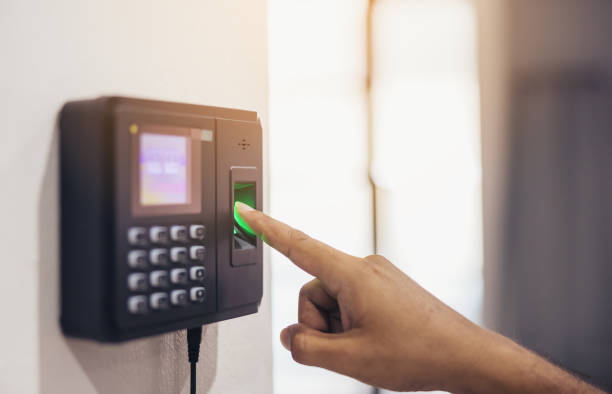
Biometric authentication provides strong identity verification but poses a higher risk than storing raw biometric data. In a minimal data setup, adopting encrypted template-based biometric storage is a safer option. The template format converts the fingerprint into a mathematical pattern that cannot be reverse-engineered. This strengthens security and protects privacy. Structured encryption protocols must be implemented to prevent unauthorized access.
HR should ensure that biometric data is used only for the purpose of verification. It is important to define the storage period as per the legal requirement. A clear consent and transparency policy builds employee trust. Limited biometric retention ensures both compliance and security. A balanced biometric approach is the foundation for secure attendance verification without excessive data exposure.
### Implement role-based access control
The concept of minimum data is not limited to collection alone, but access control is equally important. A role-based access control system ensures that only authorized individuals can view or modify attendance data. Supervisors should have limited access and payroll teams should have access to the calculations. A structured permission hierarchy reduces the risk of misuse and accidental modification.
Maintaining a log of every login activity provides transparency. The best practice is to follow the principle of least privilege where a user is granted only as much permission as is necessary. Clear access governance controls both fraud and internal abuse. Regular access reviews maintain compliance. A structured control framework makes the minimum data strategy practically secure. Strong access discipline protects the integrity of attendance.
### Defining the short retention period
Storing data indefinitely creates unnecessary exposure and can increase the impact of a breach. At a minimum, in a data approach, it is important to clearly define the retention period in accordance with legal and operational requirements. HR should examine how many years labor law requires attendance records to be retained. It is best practice to implement a secure purge process after this period.
A structured deletion policy ensures that expired data is automatically removed. Maintaining encrypted backups in an archive system is also helpful. A clean retention framework assists in compliance audits. Data lifecycle management is a critical part of privacy protection. A structured purge schedule ensures minimal exposure and makes the system vulnerable.
### Audit trail without additional personal details
Maintaining an audit trail is essential for fraud prevention, but it is not necessary to include unnecessary personal information. Timestamps, user IDs, and action logs are sufficient to detect attendance modifications. A structured audit system provides transparency and strengthens accountability. If a record is modified, the system automatically creates an entry that shows the date of the change.
This approach provides clarity in an investigation without storing additional personal data. It is important to keep the audit log secure and tamper-proof. Access control and encryption protect the audit record. A limited but detailed activity log maintains a data-minimum philosophy and supports fraud detection. A balanced audit framework is a strong foundation for a secure and privacy-friendly time tracking setup.
### Smart exception management without collecting additional data
At a minimum, in a data setup, it is not necessary to collect additional personal details for every minor deviation. When designing an exception management system, only relevant attendance information should be captured. For example, in the case of a lost punch, only the date, time, and supervisor approval are sufficient. Storing detailed personal descriptions or irrelevant background information should be avoided. A structured exception workflow provides transparency and reduces the risk of fraud.
Supervisor approval should be recorded digitally so that audit-ready evidence is available. It is useful to maintain a time stamp and approver ID for each correction. This approach strengthens accountability without collecting excessive data. Clear instructions also make employees understand that the process is fair and consistent. Systematic exception handling maintains a minimal data philosophy and protects the integrity of attendance.
### Device Security and Limited Hardware Data
The [time tracking](http://opentimeclock.com) device itself can be a source of data risk if it has unnecessary storage. At a minimum, in a data strategy, the device should be limited to authentication and timestamp capture only. Raw data should not be stored permanently on the local device but should be transferred to an encrypted server. Structured hardware configuration reduces the risk of data leakage. Access to the device should be password protected and unauthorized tampering should be detected.
Regular firmware updates improve security. Physical protection is also essential to prevent misuse of the device. A clear hardware management policy secures the attendance system. Device-level data restriction provides a balanced solution between privacy and fraud control. Secure hardware is at least a strong operational pillar of the data setup.
### Transparent communication with employees
A minimal data time tracking setup is successful when the employee clearly knows what the system collects and what it doesn’t. Transparency builds trust and reduces suspicion. To avoid misunderstandings, HR should explain the policy in simple language. Employees should be told that only essential attendance information is collected. A clear consent process strengthens compliance.
Structured FAQs and training sessions help ensure smooth adoption. When employees are clear, resistance is reduced. Open communication creates a privacy-friendly culture. Transparency also supports fraud prevention because everyone understands the rules. Systematic awareness programs make a minimal data strategy sustainable.
### Regular risk reviews and system audits
Even the most minimal data systems need to be reviewed periodically to identify fraud vulnerabilities. HR and IT should schedule quarterly audits. Analyzing attendance patterns and editing logs is helpful. If any unusual trends are found, corrective action should be taken. A structured risk assessment system maintains integrity. Audits should also look at whether unnecessary data is being stored incorrectly. Clear documentation provides evidence of compliance. Only a continuous improvement approach maintains a secure and lean system. Systematic reviews maintain a strong balance between fraud prevention and privacy.
### Legal compliance alignment
At a minimum, data setup must be aligned with local labor and privacy laws. HR should ensure that attendance records are retained for the legally required period. Consent and notification requirements should be clearly followed. Structured compliance reviews reduce the risk of legal penalties. If regulations change, policy updates are essential. Clear legal alignment strengthens trust and governance. Input from a data protection officer or compliance advisor is helpful. A structured legal framework at a minimum makes a data strategy sustainable and defensible.
### Scalability and future-proof design
At a minimum, a data time tracking setup should also support future growth. If the organization expands, the system should be able to scale easily without collecting additional data. A structured modular design is helpful where new locations or departments can be integrated. Data transfer should be secure during technology upgrades. Clear configuration documentation makes future adjustments easy. Scalability justifies long-term investment. Flexible design maintains fraud prevention and does not compromise confidentiality. Systematic planning is the foundation of a sustainable digital infrastructure.
### Conclusion
The goal of a minimum data time tracking setup is to protect privacy and prevent fraud. Essential identifiers, limited location checks, and encrypted biometrics provide balanced authentication. Role-based access and short retention reduce exposure. Audit trails and exception management ensure accountability. Transparent communication builds trust and strengthens compliance. Regular reviews and legal alignment keep the system secure. Structured and scalable design are the foundation for long-term stability. Attendance integrity is not compromised if the minimum data approach is implemented correctly.
### FAQs
1\. What is a minimum data time tracking setup?\
It is a system that collects only essential attendance data while minimizing personal information to reduce privacy and security risks.
2\. Can fraud still be prevented with limited data collection?\
Yes, using secure identifiers, geo-fencing, encrypted biometrics, and audit trails can prevent fraud without excessive data storage.
3\. Why is role-based access control important in this setup?\
Role-based access ensures only authorized personnel can view or edit attendance records, reducing misuse and internal fraud.
4\. How long should time tracking data be retained?\
Retention periods should align with local labor laws and compliance requirements, after which secure deletion should occur.
5\. How does transparency improve a minimum data strategy?\
Clear communication about what data is collected builds trust and reduces employee resistance to time tracking systems.
---
# Agent Instructions
This documentation is published with GitBook. GitBook is the documentation platform designed so that both humans and AI agents can read, navigate, and reason over technical content effectively. Learn more at gitbook.com.
## Querying This Documentation
If you need additional information that is not directly available in this page, you can query the documentation by asking a question.
Perform an HTTP GET request on the following URL with the `ask` and `goal` query parameters:
```
GET https://www.opentimeclock.com/docs/blog1/february-2026/how-to-create-a-minimum-data-time-tracking-setup-that-still-prevents-fraud.md?ask=&goal=
```
`ask` is the immediate question: it should be specific, self-contained, and written in natural language.
`goal` is what the user is ultimately trying to achieve, the reason they need the answer. Sharing it helps GitBook give you a better, more relevant answer. A goal is most helpful when it describes the outcome the user wants rather than restating the question. For example, with `ask=how do I create an API token`, a goal like `automate deployments from our CI pipeline` lets GitBook tailor the answer to that use case.
The response will contain a direct answer to the question and relevant excerpts and sources from the documentation.
Use this mechanism when the answer is not explicitly present in the current page, you need clarification or additional context, or you want to retrieve related documentation sections.