> For the complete documentation index, see [llms.txt](https://www.opentimeclock.com/docs/llms.txt). Markdown versions of documentation pages are available by appending `.md` to page URLs; this page is available as [Markdown](https://www.opentimeclock.com/docs/blog1/december-2025/best-attendance-workflow-for-agriculture-seasonal-labor-teams.md).
# Best attendance workflow for agriculture seasonal labor teams
Discover the best attendance workflow for agriculture seasonal labor teams to improve accuracy, payroll transparency, compliance, and workforce trust.
Attendance management has always been a complex challenge for seasonal labor teams in the agriculture sector. Fields are remote, work hours are flexible, and the workforce is often temporary. Traditional attendance methods such as paper registers or manual sign-in sheets are not effective here. Errors, fraud, and missing records become common problems. Payroll accuracy and seasonal labor compliance also directly depend on the attendance workflow.
If the workflow is not simple and reliable, conflicts and dissatisfaction arise. Attendance workflows in the agricultural environment also need to consider weather, location, and task-based variations. This requires specialized attendance workflows that are tailored to the realities on the ground. The best workflow is one that is easy for labor and transparent for supervisors. Technology-enabled workflows provide both discipline and fairness to agriculture teams.
### Field-based check-in and location verification
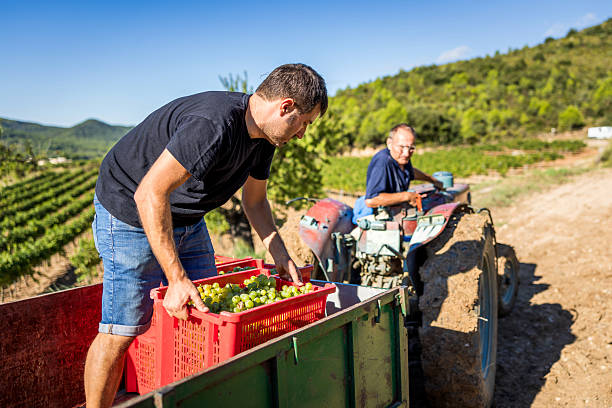
Field-based check-in attendance is a fundamental element of the workflow for agricultural seasonal labor. Workers often work in different plots and locations, so attendance at a fixed site is not practical. Field-based check-in allows workers to mark attendance via a mobile device or shared terminal when they start their duties. Location verification ensures that check-in is taking place at the actual work location. This approach reduces buddy punching and misreporting.
GPS or geo-verification must be simple and lightweight to work despite rural network limitations. Supervisors get real-time visibility into who is present in which field. This visibility is also helpful for work distribution and safety. Field-based workflow is also convenient for workers because they do not have to travel to a remote office. When attendance location is verified, pay disputes are reduced. This foundation ensures accurate and fair agricultural seasonality attendance.
### Simple worker-friendly attendance interface
[Attendance workflows](http://opentimeclock.com) for agricultural seasonal labor teams are successful when the worker interface is simple and easy to use. Most seasonal workers are not technically trained, so complex apps or multiple steps can be confusing for them. The best attendance workflow is one where check-in and check-out are completed in just one or two actions. Large buttons, local language support, and visual cues improve usability.
Workers understand that their attendance is being recorded properly. Clear confirmation screens build trust. If the interface is slow or complicated, labor can lose interest. A simple workflow also reduces the burden on supervisors because training is minimal. Time is precious in agricultural sectors, so the attendance process must be fast. A simple interface speeds adoption and reduces errors. Attendance accuracy improves as workers become comfortable with the system. This approach is practical and sustainable for the seasonal workforce.
### Offline attendance capture and later sync
Agricultural sectors are often located in remote areas where network connectivity is unreliable. The best attendance workflow should include the option to capture attendance offline. Workers can check in and check out even without the internet. Data is temporarily stored on the device and the system automatically syncs as soon as a signal is available. This feature eliminates the need for lost records and manual corrections. This is very important for seasonal workers because connectivity is not under their control.
Supervisors also have the confidence that attendance will not be missed. Basic authentication is applied with offline capture, which reduces fake entries. The sync process is secure and automated. Workers do not need to understand the technical details. This workflow is best suited for rural agriculture environments. Offline support makes the attendance workflow realistic and reliable.
### Attendance verification with the help of a supervisor
The role of the supervisor in agri-seasonal teams is a critical part of the attendance workflow. The best workflow involves supervisor-assisted verification, which ensures accuracy and fairness. The supervisor is present in the field and periodically reviews attendance entries. If a worker makes an incorrect or missed entry, the supervisor can make timely corrections. This human oversight balances automation. Seasonal labor is often short-term, so supervisor guidance is essential.
Assisted verification resolves disputes at an early stage. Payroll issues are reduced because supervisor verification is available. Supervisors have a dashboard where they can see real-time attendance. This visibility is beneficial for both productivity and safety. Assisted verification builds trust and prevents the system from becoming rigid. This hybrid approach produces the best results in an agricultural environment.
### Task-based attendance and output linking
Attendance for agricultural seasonal labor is not just about recording time, it also needs to be linked to work output. The best attendance workflow incorporates the concept of task-based attendance, where a worker’s check-in is tied to a specific task or field activity. This helps supervisors identify which worker is assigned to which task. Attendance and task linking improve productivity. If a worker is on time but production is low, the issue is easily identified.
Task-based workflows are well-suited for seasonal labor because both effort and time are visible. Payroll calculations are also more accurate when hours are recorded with the context of the work. This approach reduces disputes because attendance reflects actual work, not just the number. This flexibility is invaluable in agricultural operations where daily tasks change. A task-linked attendance workflow creates transparency for both labor and management.
### Shift flexibility and weather adjustment handling
Work schedules in agriculture are often weather-dependent. The best attendance workflow should support shift flexibility and weather-based adjustments. Rain, heat, or sudden weather changes may require adjustments to work hours. The attendance system should handle this flexibility without creating ambiguity. The workflow should allow for supervisor-authorized adjustments where shift start or end times can be modified.
These changes should be properly logged to maintain payroll accuracy. This is crucial for seasonal workers because their work is directly tied to natural conditions. A flexible workflow reduces stress and conflict. Workers feel that the system understands their reality. Weather-based handling makes agricultural attendance realistic and humane. Management also gets a clear audit trail. This adaptability is a key element of the best attendance workflow.
### Large attendance management for large staff
Agricultural seasonal workers often work in large crews where marking attendance individually is [time-consuming](http://opentimeclock.com). The best workflow should include the option to manage bulk attendance. Supervisors can verify the attendance of multiple workers in a single operation. This method is ideal for early morning starts and tight schedules. Verification rules are also implemented with bulk management to prevent misuse.
Worker attendance can be verified with physical count and location. This workflow saves time and improves operational efficiency. Payroll teams receive clean and complete data. Handling bulk attendance is especially useful for seasonal peaks where the size of the workforce changes daily. This scalability is crucial for agricultural operations. The best workflow is one that balances both speed and control.
### Clean payroll integration and weekly reconciliation
Timely and accurate payment is essential for seasonal agricultural labor. The best attendance workflow requires seamless integration with payroll. Attendance data should automatically flow into the payroll system, eliminating the need for manual re-entry. Weekly reconciliation builds trust between supervisors and payroll teams. Workers have a clear view of how their hours were calculated. Any discrepancies are resolved quickly.
Integration errors can create dissatisfaction in agricultural operations, so validation testing is essential. When the attendance workflow is linked to payroll, disputes are reduced. This transparency improves retention for seasonal labor. Management also gains confidence that costs are under control. An attendance workflow linked to payroll creates stability for agricultural teams.
### Compliance and Labor Law Preparation
Agricultural seasonal workers must adhere to labor laws and compliance requirements. The best attendance workflow should be compliant. The system should generate alerts when any rule is violated. This proactive compliance reduces legal risks. Seasonal labor is often subject to audits and inspections, so documentation is very important.
Attendance logs should be clean and tamper-proof. Compliance preparation creates peace of mind for both supervisors and HR. Workers also feel safe. The best workflow is one that enforces the rules without any additional burden. This legal protection is very valuable for agricultural operations.
### Training and quick onboarding for seasonal workers
Seasonal labor teams often come on board on short notice. The best attendance workflow requires simple and fast training and onboarding. Workers don’t have to wait long to understand the system. Short demos, visual guides, and supervisor support make onboarding easy. Errors are reduced when the attendance process is simple. Quick onboarding speeds up the pace of adoption.
In an agricultural environment, time is of the essence, so lengthy training is not possible. The best workflow is one that is self-explanatory. Workers become productive quickly. Clear rules should be communicated with the training. This approach maintains discipline and fairness. These skills are important for a seasonal workforce.
### Conclusions
The best attendance workflow for agricultural seasonal labor teams is one that understands the realities on the ground. Field-based check-ins and a simple interface make offline support and supervisor assistance systems practical. Task-based tracking improves shift flexibility and bulk management productivity and fairness. Payroll integration and compliance readiness reduce disputes and legal risks. Training and quick onboarding streamline adoption.
This workflow not only records attendance, but also builds trust and transparency. This streamlined approach provides consistency in agricultural operations where the workforce is mobile. The best attendance workflow balances productivity, cost control, and worker satisfaction.
### FAQs:
#### 1. Why is attendance tracking challenging for agriculture seasonal labor teams?
Because workers are temporary, locations change frequently, connectivity is limited, and work schedules depend on weather and field conditions.
#### 2. What is the best attendance method for farm and field workers?
Field-based mobile check-ins with location validation and offline support work best for seasonal agriculture labor.
#### 3. How does attendance workflow improve payroll accuracy for seasonal workers?
By automatically syncing verified hours with payroll systems and enabling early reconciliation to prevent payment disputes.
#### 4. Can attendance systems work without internet in rural farming areas?
Yes. Offline attendance capture with secure syncing once connectivity returns is essential for rural agriculture operations.
#### 5. How does attendance tracking support labor law compliance in agriculture?
It records work hours, rest periods, and overtime accurately while generating audit-ready documentation for inspections.
---
# Agent Instructions
This documentation is published with GitBook. GitBook is the documentation platform designed so that both humans and AI agents can read, navigate, and reason over technical content effectively. Learn more at gitbook.com.
## Querying This Documentation
If you need additional information that is not directly available in this page, you can query the documentation dynamically by asking a question.
Perform an HTTP GET request on the following URL with the `ask` and `goal` query parameters:
```
GET https://www.opentimeclock.com/docs/blog1/december-2025/best-attendance-workflow-for-agriculture-seasonal-labor-teams.md?ask=&goal=
```
`ask` is the immediate question: it should be specific, self-contained, and written in natural language.
`goal` is what the user is ultimately trying to achieve, the reason they need the answer. Sharing it helps GitBook give you a better, more relevant answer. A goal is most helpful when it describes the outcome the user wants rather than restating the question. For example, with `ask=how do I create an API token`, a goal like `build a script that syncs our docs to a CMS` lets GitBook tailor the answer to that use case.
The response will contain a direct answer to the question and relevant excerpts and sources from the documentation.
Use this mechanism when the answer is not explicitly present in the current page, you need clarification or additional context, or you want to retrieve related documentation sections.