For the fast-changing, security-driven business world, companies must also adapt to new techniques to manage employees and protect sensitive data and costly assets. Attendance systems based on punch cards, manual registers, and swipe cards will disappear, as they are too easily hackable and unreliable.
The fusion of cloud technology with contemporary ID technology and next-generation online time and attendance systems has given rise to 21st-century time and attendance management systems.
This paper will discuss the various features of biometric technology that can be used to secure a business's premises, the benefits of a biometric attendance or access control system, and the rationale for the Open Time Clock system.
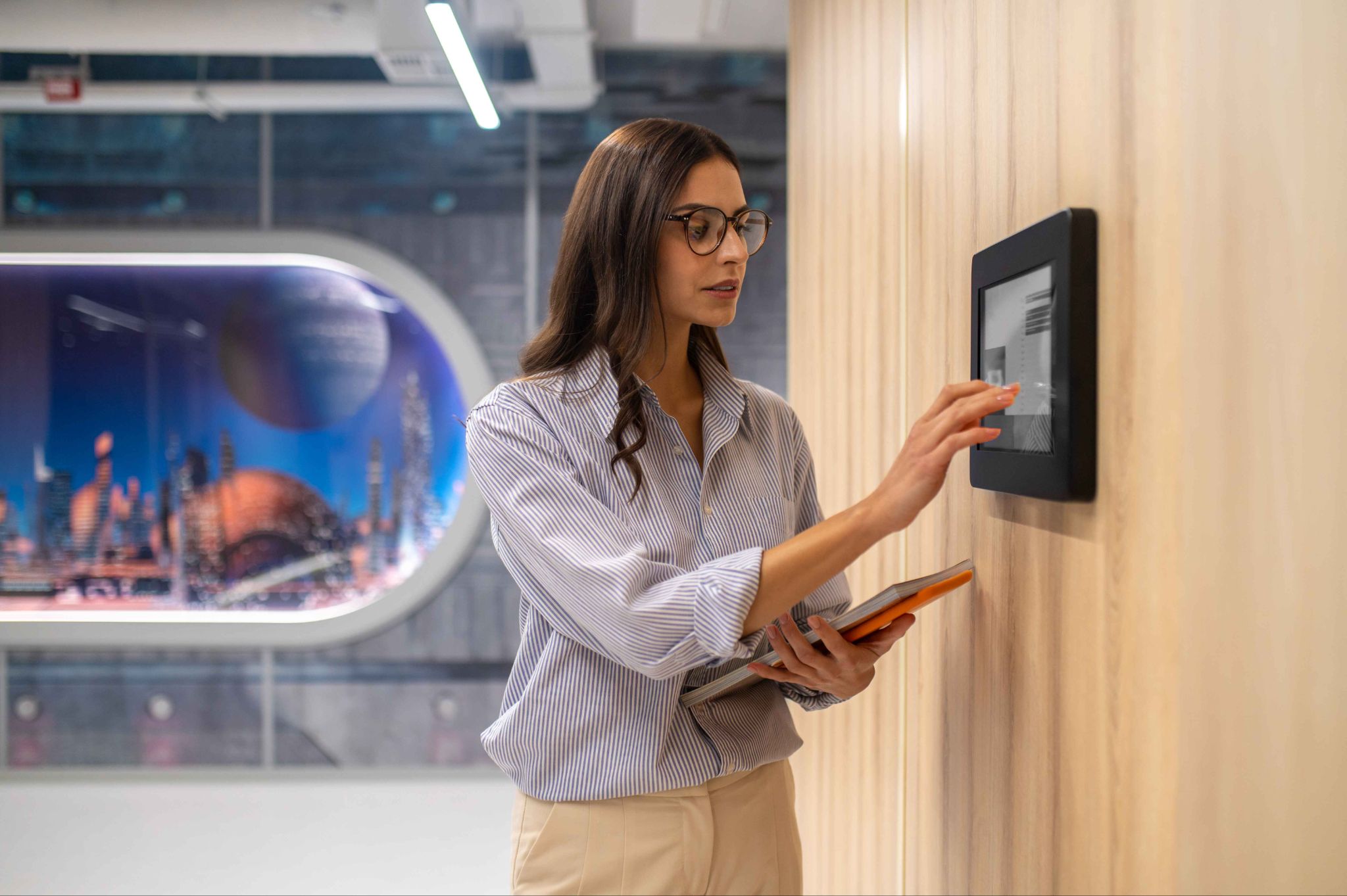
What is Biometric Attendance Online?
This is a system that captures attendance data linked to one's unique biological attributes and operates as an online or cloud-based system.
Biometric systems eliminate time fraud, buddy punching, and errors connected to traditional systems. Because biometric systems are the most personal, they are the most accurate in linking an individual to their activities.
Some examples of biometric systems include:
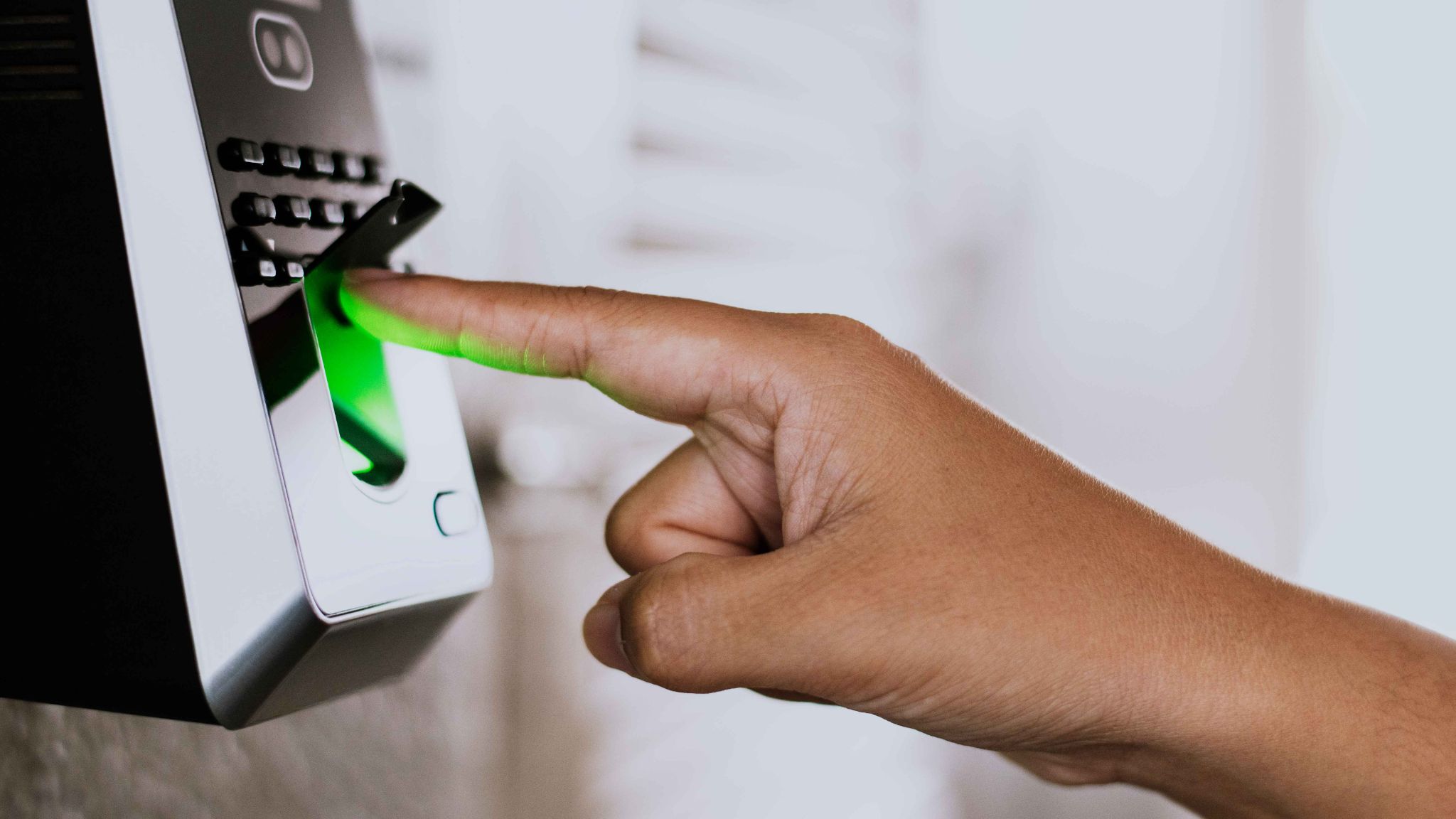
- Fingerprint scanners
- Facial recognition
- Iris recognition
- Voice recognition
Typically, these systems link to an online dashboard to manage real-time attendance.
Why Traditional Attendance Systems Fail
Recognizing the limitations of traditional systems helps demonstrate the benefits of biometric systems and why they are simply outdated.
1. Time Fraud
Standard attendance systems are most vulnerable to time fraud. For example, companies can become victims of buddy punching, an activity in which employees clock in or out on behalf of their teammates. This leads to inaccurate attendance records and artificially increases payroll expenses. This can bankrupt companies over time.
2. Manual Error
Typically, traditional attendance systems are manual, and data entry relies predominantly on the human record-keeper. There are additional risks of inaccuracies due to unavoidable human error. For example, poor handwriting in registers leads to misplaced time records. Confusion can arise from attendance records being disparate. Additionally, records can be lost due to inadequate systems, and poor record-keeping can cause temporary loss of records.
3. No Real-Time Monitoring
There are no mechanisms that allow for tracking employee timekeeping in real time. Management and Human Resources must wait an entire day to see the company's official list of absentees. This hampers the ability to quickly combat employee absenteeism, lateness, unsanctioned breaks, and low productivity.
4. Possible Security Risks
Using employee attendance systems that include access cards, PINs, and passwords can present security risks. An access card can be lost, stolen, or given to an unauthorized person. PINs can be divulged or guessed. All of these compromises can lead to the disclosure of information and access to restricted areas protected by poor security measures.
5. Administrative Load
Attendance systems are cumbersome and extremely burdensome to administer. Human Resources must collect, verify, and process attendance records. The system's bureaucracy can lead to payroll delays and record discrepancies, whether in attendance or time.
6. Limited Growth
Attendance record systems cannot keep pace with the changing attendance needs of the systems they support. The scaling of attendance systems places great demands on administrative, managerial, and operational security, ultimately resulting in an inefficient system.
These examples all point to the same conclusion: traditional attendance systems are expensive and inefficient. The systems are in great need of innovation to enable reliable, consistent attendance automation with improved visibility.
The Functionality of Biometric Attendance Systems
The simplicity of data capture during attendance system operations is counterbalanced by the complexity of ensuring its precision, speed, and integrity. Below is a rudimentary explanation of a biometric attendance system and how an organization can eliminate the resource burden on attendance-capture accuracy, as opposed to allocating time to the time-consuming manual verification of attendance.
1. Enrollment Stage
As with most systems, the initial phase of the biometric attendance system is the employee registration process. The data capture device can collect and record biometric data via facial recognition, fingerprints, and/or iris capture. It then subsequently creates a digital template of the biometric data.
It is critical to inform the system user of the data capture method. To enhance the system user's data security and confidentiality, data is not stored as an image, which can be used against employees in privacy-invasion litigation, but rather in an encoded data structure that contains a mathematical representation of the biometric data. Thus, the system ensures full integrity of every employee's attendance record.
2. Authentication Stage
As system users, or employees, start using the biometric attendance systems, the first system touch point is employee registration. As soon as the first employee checks in or checks out, the attendance system becomes operational. The initial user must undergo biometric processing and verification against the stored template before usage.
Time will tell whether we managed to improve the maximum processing time, given that biometric systems are still developing and are assumed to be perfect for attendance logging. Self-impersonation and attendance fraud logging are always options.
3. Cloud Storage
Our technology will always allow authenticated users to store attendance data in the cloud. On-site servers, records, and headaches are things of the past.
Data is also protected from physical disasters, and cloud access is available from multiple locations. Organizations can break the shackles of infrastructure and scale without limits.
4. Real-Time Reporting
Real-time reporting is an excellent feature of biometric systems. In dashboards and mobile applications, HR and managers can track attendance data in real time.
They can review employee check-ins and working-hour records, track late arrivals, and generate reports whenever needed. Timely access to organized data enhances the quality and speed of workforce management.
5. System Integration
Attendance technology based on biometric technology can also interrelate with payroll, scheduling, and human resources. This collaboration enables attendance, absence management, and performance appraisal with minimal administrative effort and maximum efficiency.
6. Automation of Alerts and Notifications
In certain systems, management will be informed of check-ins, late arrivals, and overtime. These notifications will help management take corrective actions and help the organization maintain order and discipline.
The integration of fast, automated, and accurate biometric technologies with cloud computing gives us the added convenience of frictionless biometric access systems and the peace of mind that biometric data is secure and protected.
Benefits of Biometric Attendance Systems
1. Improved Safety
Biometric systems, as an added security feature, enhance system security and capture users' unique biological attributes. This creates a safeguard for the user to minimize, and to a degree, eliminate unauthorized access.
2. Elimination of Buddy Punching
Employees must be physically present to capture their biometric data; falsifying attendance records is not possible.
3. Payroll Systems Improvements
The absence and leave records, as well as the automation of attendance records, provide accurate data for worked hours.
4. Access from Anywhere
HR and Management can verify attendance records from any location, thanks to the system's cloud-based architecture.
5. Time Efficiency
Time spent on data entry and error correction is reduced due to system automation.
6. Data Quality
The integrity and accuracy of the data improve with biometric attendance systems.
Cloud Technology Combined with Biometric Attendance
The integration of biometric attendance systems and cloud technology is a breakthrough.
Cloud system benefits include:
- Real-time updates
- Secure data storage
- Off-site management
- Automated backups
- Flexible capacity
Using cloud systems reduces reliance on large on-site servers and improves infrastructure efficiency.
Why Open Time Clock?
Open Time Clock caters to businesses of all sizes, providing integrated cloud attendance solutions that feature advanced biometric technologies.
Key benefits include:
- Free cloud-attendance solution
- Facial and fingerprint recognition
- Real-time tracking of employees
- Integration with payroll systems
- Mobile-compatible
- Easy to use
Small start-ups and large businesses focused on technology can leverage a unique, highly integrated system for attendance, biometrics, and cloud technology at a very low cost.
Office Security Features
- Data Encryption: Protects system users' biometric data from unauthorized access through a secured biometric system.
- Multi-Factor Authentication: Combining biometric systems with passwords or PINs is another layer of security.
- Access Control: Restricting user access to certain parts of the office.
- Audit Trails: For accountability and regulatory compliance, records and documents all the events associated with attendance.
Applications of Biometric Systems
Biometric attendance systems can be used in various industries and sectors.
- Corporate: Increases personnel accountability and security.
- Healthcare: Monitors employee attendance during critical time periods.
- Academia: Monitors attendance for both staff and students.
- Manufacturing: Eases the management of workers on shift and labor-intensive tasks.
- Retail: Eases staff management and attendance monitoring.
Potential Issues
There are multiple benefits of a biometric attendance system; however, the following must be considered:
- Privacy: There may be concerns among employees about the fate of their biometric data. Employers must be transparent and comply with data protection laws.
- Cost: Biometric systems can be expensive to set up due to the required hardware, even though cloud solutions can minimize operational costs.
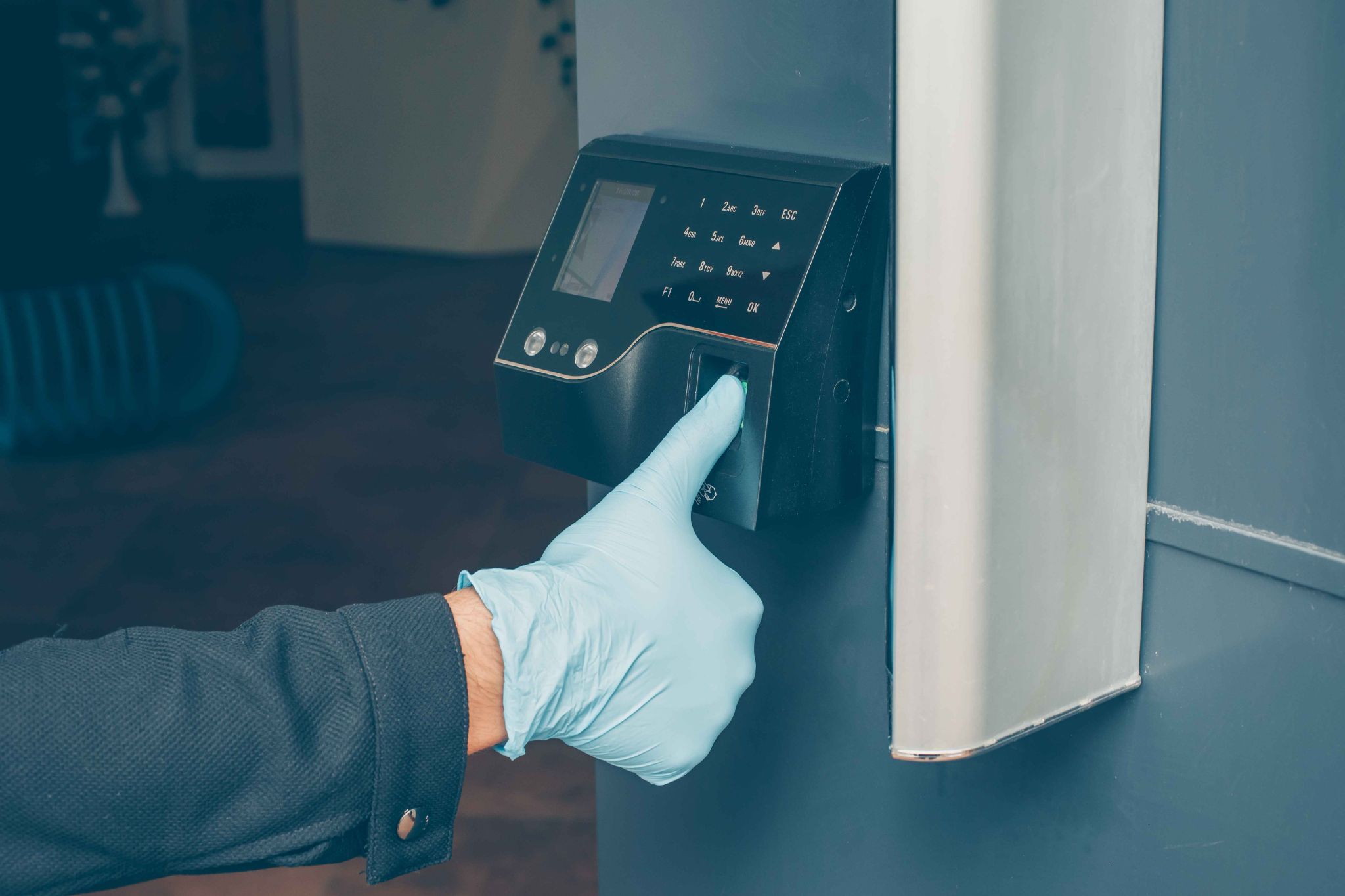
- Hygiene: Systems that utilize fingerprint scanning may fail to work if unclean or when moisture is present.
- Maintenance: Systems require frequent updates.
Tips on Implementation
The following considerations should be made to guarantee the operational practicality and success of a biometric system:
- Choose a reputable biometric systems provider, such as Open Time Clock. Offer clients systems that are cost-effective, user-friendly, and highly secure.
- Ensure you are up to date with all data protection laws and incorporate them into all processes, while adhering to the organization's data protection protocols.
- Detailed coaching on the biometric system provider will assist with system adoption.
- Data loss mitigation by having in place supplementary data backup processes. Data in biometric systems is often lost due to system failures or other unforeseen issues. Therefore, provisions should be made in the event of data loss to ensure you do not have to start again from the most difficult point.
- Software maintenance requires that the biometric system provider's software changes resulting from data protection updates be implemented in a defined and regular manner.
The adoption of the biometric system, along with the time-saving devices it enables, should be accompanied by these guidelines.
The Future of Biometric Attendance Systems
The following are some of the innovations on which systems can be based for biometric systems:
- Data identification and tracking secured with the help of Blockchain
- Remote Automated Biometric Systems
- Device-based data recognition from the Internet of Things, or IoT
- Recognition data systems secured by Artificial Intelligence, or AI
All of these innovations are possible and will improve user experience, accuracy, and most of all, the system's security.
Conclusion
Given the imperative of security and efficiency, it is now essential to incorporate new systems into businesses. Biometric systems improve efficiency and, together with accuracy, ensure the organization's data is secure.
With biometric attendance, you can now eliminate time theft. Attendance systems provide real-time analytics on productivity and the workforce. Solutions like Open Time Clock are cloud-based systems that enable businesses to modernize their attendance systems quickly and easily.
The benefits of biometric technology go well beyond attendance tracking. It is an investment towards a smarter, safer, and more efficient workplace. Additionally, biometric systems reduce administrative workload, minimize human errors, enhance accountability, and support seamless integration with modern HR and payroll platforms. They also improve compliance and streamline workforce management processes.
FAQ's
1. What is a biometric attendance system?
The system relies on fingerprint or facial recognition to accurately count employee attendance.
2. Is the biometric system safe?
Yes. We use the most advanced data protection methods at the most secure data facility.
3. Can biometric systems be used remotely?
Yes. Remote access biometric systems are available and can be integrated with the cloud.
4. What are the costs?
The Open Time Clock system and most other modern biometric data technologies are free.
5. Is biometric attendance legal?
Yes, provided the system complies with data protection laws like GDPR.
6. Which biometric method is most effective?
The preferred method is facial recognition, as it is contactless, more efficient and reliable and increases attendance.