Geofencing for Remote and Mobile Employees: What Employers Should Know
Learn how Geofencing for Remote and Mobile Employees works, why it matters, and how it helps employers track time and stay compliant.
More companies today have workers who are not sitting in one office. Some work from home, some travel between job sites, and some serve clients across different cities. Managing attendance for these teams is not easy with old methods. This is why many employers now use Geofencing for Remote and Mobile Employees to track time accurately and stop payroll problems before they start. This guide will explain what geofencing is, how it works, and why it matters for modern businesses in simple, easy words.
What Is Geofencing?
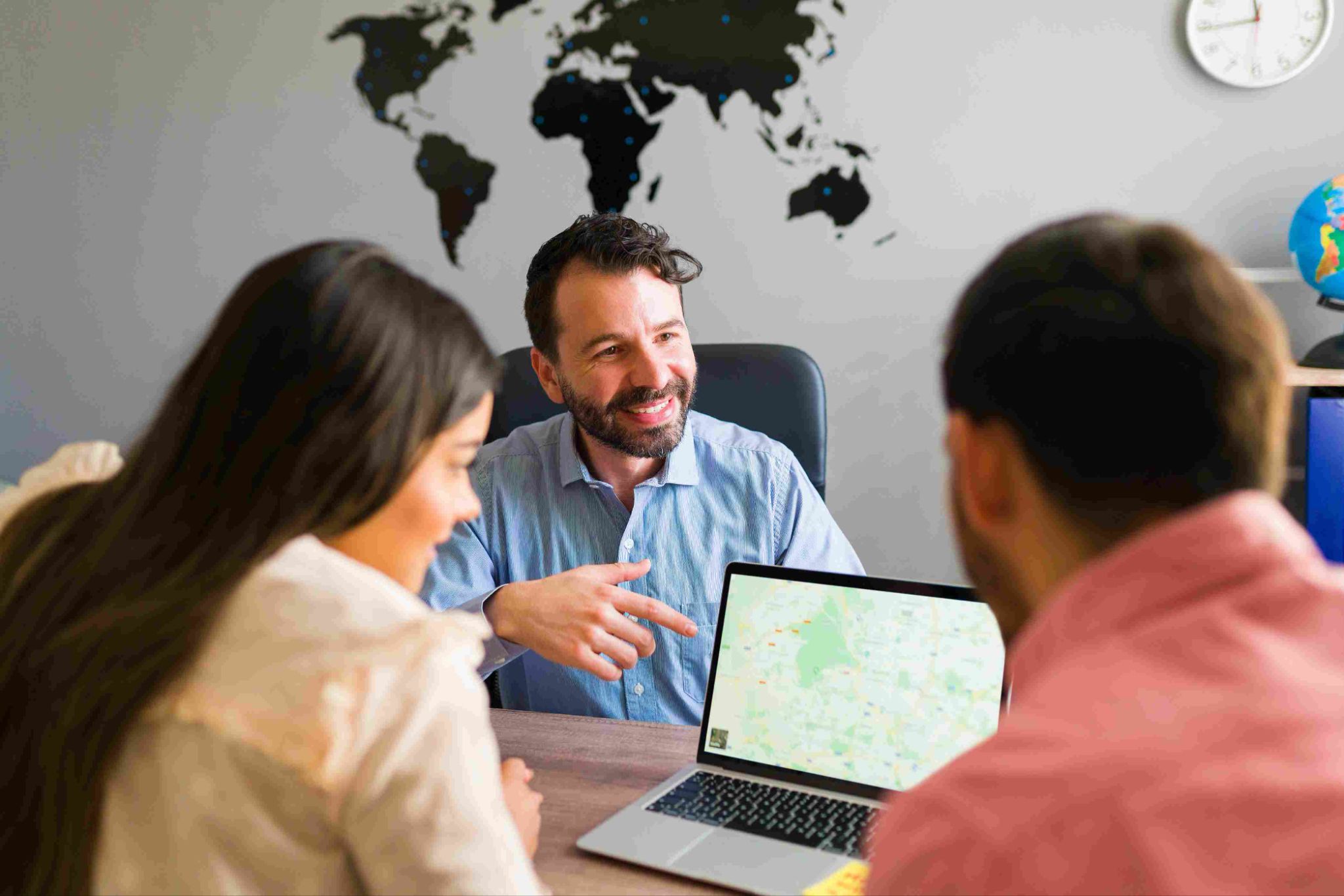
Geofencing is a technology that creates a virtual boundary around a real location. Think of it like an invisible fence drawn on a map. This fence can be around an office, a job site, a client location, or any place where work happens. When an employee enters this boundary, the system knows they have arrived. When they leave, the system knows they are gone.
This boundary is set using GPS coordinates. An employer can choose the size of the fence, such as a radius of 100 meters or 500 meters, depending on how large the work area is. Once the fence is set, the system uses the employee's phone GPS to check their location in real time.
Why Geofencing for Remote and Mobile Employees Matters
Businesses with remote or mobile teams face a common problem: how do you know if someone is really working from where they say they are? Without location tracking, employers must trust employees fully, which can lead to mistakes, confusion, or even dishonest time entries.
Geofencing for Remote and Mobile Employees solves this problem by giving employers real proof of where work happened. This is especially useful for field teams, delivery drivers, home healthcare workers, and construction crews who move between multiple locations during the day. Instead of guessing or calling employees to check in, managers can see exact location data tied to every clock-in and clock-out.
How Geofencing Works in a Time Clock System
Understanding how geofencing works step by step can help employers set it up correctly for their business.
Setting Up the Virtual Boundary
The employer first decides which locations need a geofence. This could be a main office, a warehouse, a client site, or several job locations for a mobile team. Using a map-based tool, the employer places a marker on the location and sets a radius around it. Systems like Open Time Clock's GPS and geofencing feature let managers create these zones by simply dragging and dropping markers on a Google Maps interface.
Connecting the Boundary to Clock-In Rules
Once the geofence is created, the employer links it to clock-in and clock-out rules. This means employees can only clock in when their phone GPS shows they are inside the fenced area. If someone tries to clock in from outside the boundary, the system can block the action or flag it for manager review.
Automatic Clock-In and Clock-Out
Some advanced systems take this a step further. Instead of requiring employees to manually clock in, the system automatically records their time the moment they enter or leave the geofenced zone. This removes the need for manual punching and reduces errors caused by employees forgetting to clock in or out.
Real-Time Location Reporting
As employees move between job sites, their location data is logged. Managers can view this information on a dashboard or map view, which shows exactly where and when each employee clocked in. This creates a clear, timestamped record that is useful for both payroll and compliance purposes.
Key Benefits of Geofencing for Employers
Employers who use geofencing for their remote and mobile staff often notice several important benefits.
Stopping Time Theft and Buddy Punching
One of the biggest advantages of Geofencing for Remote and Mobile Employees is that it helps prevent time theft. In the past, some employees would ask a coworker to clock in for them, even when they were not present at work. With location-based clock-ins, this type of fraud becomes much harder because the system checks the actual GPS position of the device.
Better Accuracy for Payroll
When time and location data are accurate, payroll becomes more accurate too. Employers no longer need to guess or rely on employee memory for hours worked. This reduces disputes between staff and management about pay.
Stronger Compliance and Audit Trail
Many industries require proof of where and when work was performed, especially for government contracts, client billing, or labor law compliance. Digital records created through geofencing give employers a strong audit trail. If a question ever comes up about hours worked, the employer has clear, timestamped location data to show.
Improved Accountability for Field Teams
For businesses with field workers, such as construction crews, delivery drivers, or service technicians, geofencing offers a simple way to confirm that staff are where they are supposed to be during work hours. This builds accountability without requiring constant phone calls or check-ins from managers.
Better Cost Tracking for Multiple Job Sites
When a company works across several job sites or client locations, tracking labor costs correctly becomes harder without location data. Geofencing helps assign work hours to the correct project or site, which improves billing accuracy and helps with budgeting.
Common Use Cases for Geofencing
Different industries use location-based tracking in different ways. Here are some of the most common situations where geofencing adds real value.
Construction and Field Services
Workers often move between multiple project sites in a single week. Geofencing ensures that hours are logged accurately for each specific location, which helps with job costing and client billing.
Home Healthcare
Caregivers who visit multiple patients during the day can use geofencing to confirm visit times and locations. This creates a clear record for both payroll and compliance with healthcare regulations.
Delivery and Logistics
Delivery drivers benefit from location tracking because it verifies stops, confirms delivery times, and helps optimize routes for future trips.
Remote and Hybrid Office Teams
Even for teams working from home, employers may set a geofence around a specific approved work location, such as a home address, to confirm attendance without requiring employees to be watched constantly.
Multi-Location Retail or Restaurant Businesses
Businesses with multiple branches can set a separate geofence for each store. This way, employees can only clock in at their assigned location, keeping records clean and accurate across the company.
Setting Up Geofencing the Right Way
Employers who want to use geofencing successfully should follow a few important steps to avoid problems.
Choose the Right Radius Size
The geofence should not be too small or too large. If it is too small, employees may struggle to clock in due to normal GPS drift. If it is too large, the boundary may include areas that are not actually part of the work site. Testing different radius sizes, such as those explained in Open Time Clock's GPS tracking guide, can help find the right balance.
Communicate Clearly With Employees
Before turning on geofencing, employers should explain how it works, what data is collected, and why it is being used. Clear communication builds trust and reduces pushback from staff who may feel uneasy about location tracking.
Follow Privacy and Labor Laws
Location tracking laws vary by state and country. Employers must make sure their geofencing policy follows local privacy and labor regulations. Location data should only be used for the purpose that has been communicated to employees, such as attendance tracking, not constant monitoring outside of work hours.
Combine Geofencing With Other Time Tracking Features
Geofencing works best when combined with other tools, such as photo verification or offline clock-in support. Systems designed for field teams, like those described in Open Time Clock's field team tracking guide, often include offline modes so employees can still clock in when they do not have internet access, with the data syncing later.
Review and Adjust Over Time
Business needs can change. A job site may move, a new client location may be added, or a company may open a new branch. Employers should regularly review their geofence zones and update them as operations shift, to keep tracking accurate.
Addressing Employee Concerns About Geofencing
Some employees may feel nervous about location tracking at first. It is normal for workers to worry about privacy. Employers can ease these concerns by being transparent about how the system works.
It helps to explain that geofencing only tracks location during clock-in and clock-out events tied to work, not around the clock. Employers should also make clear that the goal is fair, accurate time tracking, not spying on personal activities. When staff understand that Geofencing for Remote and Mobile Employees is meant to protect both the business and the worker through accurate pay, most concerns become much smaller.
Being open about data storage and who can access location reports also builds trust. A well-explained policy, backed by a reliable time tracking system such as Open Time Clock, can turn a nervous team into one that appreciates fair and transparent tracking.
Choosing the Right Geofencing Software
Not all time tracking tools handle geofencing the same way. Employers should compare a few important features before choosing a system for their team.
Map-Based Zone Creation
A good system should let managers create geofence zones visually, using a map instead of typing in raw coordinates. This makes setup faster and reduces mistakes. Tools built with Google Maps integration allow managers to drag and drop markers directly onto a map to build accurate zones.
Location History and Reporting
Basic systems may only record the exact moment of clock-in and clock-out. More advanced platforms store a fuller location history throughout the shift, which gives managers better insight into where work actually happened during the day. This is especially useful for businesses that bill clients based on time spent at a specific site.
Address Conversion for Clarity
GPS coordinates alone can be hard to read. Better systems convert coordinates into readable street addresses, so managers can quickly understand where an employee clocked in without needing to look up a map manually.
Alerts for Unauthorized Clock-Ins
A strong geofencing tool should notify managers when someone tries to clock in from outside an approved zone. This allows for quick action instead of discovering the issue much later during payroll review.
Integration With Payroll and Scheduling
Geofencing data works best when it connects directly with payroll and scheduling tools. This reduces manual data entry and helps ensure that hours worked at each location are billed and paid correctly, without extra steps for HR teams.
Comparing these features carefully, similar to what is outlined in Open Time Clock's guide on tracking remote teams, can help employers pick a system that actually fits their business instead of one that only looks good on paper.

Conclusion
As more businesses rely on remote work, field teams, and multi-location operations, accurate attendance tracking becomes harder to manage with old manual methods. Geofencing for Remote and Mobile Employees offers a simple, modern solution that improves payroll accuracy, strengthens compliance, and reduces time theft. By setting clear boundaries, communicating openly with staff, and choosing a reliable system, employers can manage remote and mobile teams with more confidence and less stress.
Geofencing is not just a tool for large corporations with big budgets. Small businesses, growing teams, and service companies of every size can use it to build a fair, accurate, and modern attendance process. As remote and mobile work continues to grow across many industries, employers who adopt reliable location-based tracking today will be better prepared to manage their teams tomorrow, with less confusion, fewer disputes, and stronger trust between staff and management.
FAQ’s
1. Does geofencing track employees all day long?
No. Geofencing usually only activates location tracking during clock-in and clock-out events. It is not designed to monitor employees constantly throughout the day.
2. Can geofencing work without internet access?
Some systems offer offline modes that record clock-ins even without a cellular or WiFi connection. The data is then synced automatically once the device reconnects to the internet.
3. Is geofencing legal for employee time tracking?
In most places, yes, but laws vary by state and country. Employers should always check local privacy and labor laws and clearly inform employees about how location data is used.
4. What happens if an employee tries to clock in outside the geofence?
Depending on the system settings, the clock-in attempt can be blocked completely or flagged for manager review, so unauthorized punches do not get approved automatically.
5. Is geofencing only useful for large companies?
No. Small businesses with even one or two remote or mobile workers can benefit from geofencing, since it helps confirm attendance and protects against payroll disputes, regardless of company size.