How Cloud HR and Time Tracking Software Improves Employee Attendance Management
See how Cloud HR and Time Tracking Software improves employee attendance management with accurate, connected data.
Managing employee attendance is one of the most basic yet important tasks for any business. Without a clear system, mistakes pile up quickly. Hours go unrecorded, payroll becomes inaccurate, and managers spend too much time chasing down missing information.
Cloud HR and Time Tracking Software solves this problem by bringing attendance data into one connected system. This article explains how Cloud HR and Time Tracking Software improves attendance management and why more businesses are moving away from outdated manual methods.
What Is Cloud HR and Time Tracking Software
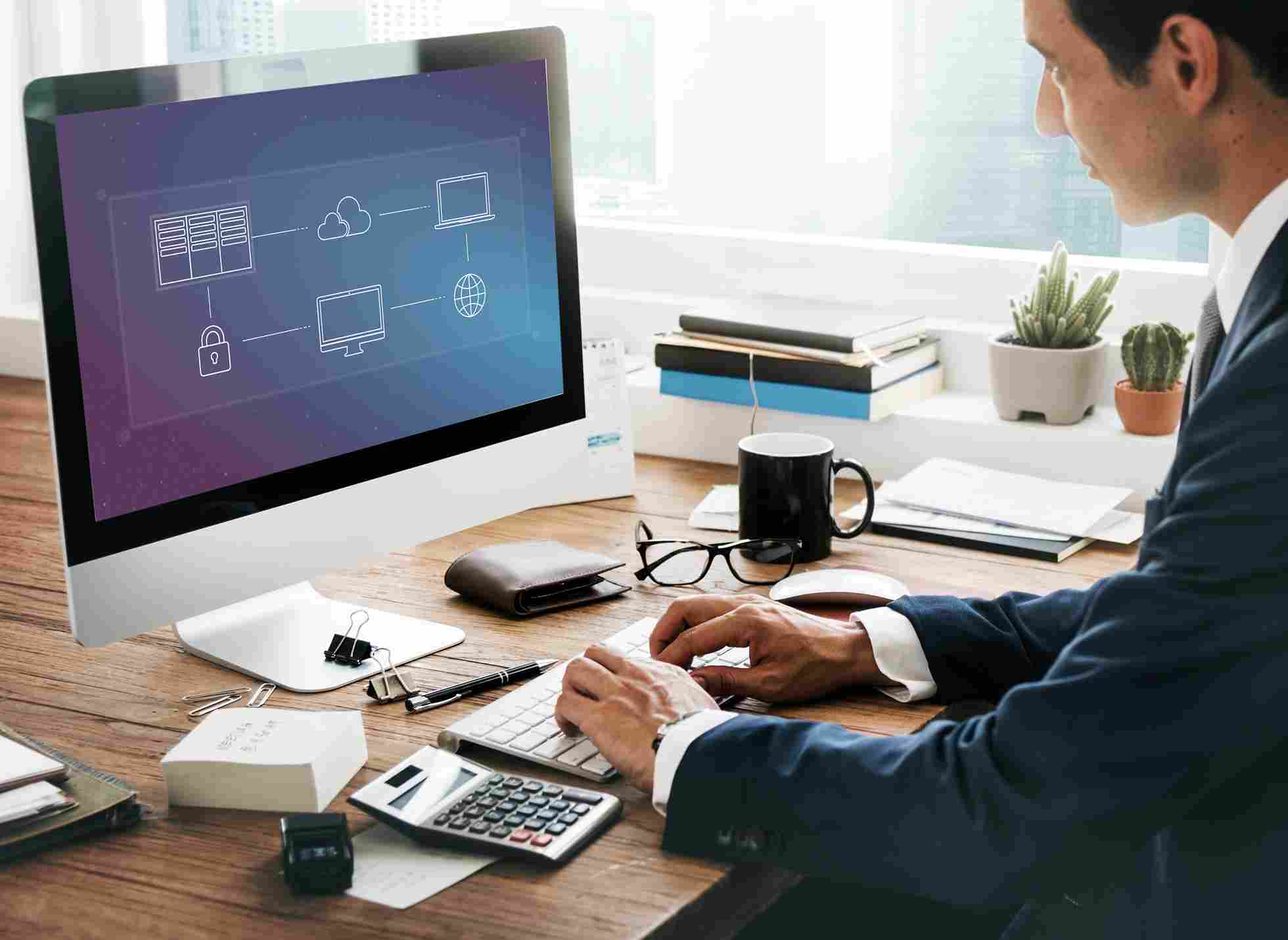
Cloud HR and Time Tracking Software is a digital system that stores employee attendance and human resources data online, rather than on a single computer or paper file. Since the data lives in the cloud, it can be accessed from any device with an internet connection, at any time.
This kind of system usually combines several features together, including clock-in tracking, scheduling, leave requests, and reporting. Instead of managing these tasks separately, businesses can view everything in one connected platform.
Open Time Clock offers many of these features through its cloud based system. You can explore the full range of tools on the Open Time Clock homepage, which supports attendance tracking, scheduling, and reporting for businesses of any size.
Why Attendance Management Is Harder Than It Looks
At first glance, tracking attendance may seem simple. An employee arrives, works their shift, and leaves. But in practice, attendance management involves much more. Businesses need to track late arrivals, early departures, breaks, overtime, and time off requests, all while keeping accurate records for payroll and compliance.
Manual systems often struggle to keep up with this level of detail. A paper timesheet does not automatically calculate overtime or flag a missed break. This creates extra work for HR staff and increases the risk of costly mistakes.
Cloud HR and Time Tracking Software removes much of this burden by automating the process. Instead of manually reviewing every entry, the system can apply rules automatically and flag any issues that need attention.
Moving Away From Paper and Spreadsheets
Many businesses still rely on paper timesheets or basic spreadsheets to manage attendance. While these methods may work for very small teams, they quickly become difficult to manage as a business grows. Spreadsheets can become cluttered, formulas can break, and paper records are easy to lose or misplace.
Cloud HR and Time Tracking Software offers a much more reliable alternative. Since data is stored online, there is no risk of losing paper files or dealing with broken spreadsheet formulas. Every entry is saved automatically and can be reviewed at any time without digging through old files.
This shift not only saves time, but also reduces stress for HR teams who no longer need to manually track down missing information during payroll periods.
Real Time Visibility for Managers
One of the biggest advantages of Cloud HR and Time Tracking Software is real time visibility. Managers can log in and see exactly who is clocked in, who is late, and who has requested time off, all without needing to call around or check separate systems.
This kind of visibility supports faster decision making. If a shift is understaffed, a manager can spot the issue right away and make adjustments before it affects daily operations. Without real time data, these problems often go unnoticed until it is too late to fix them easily.
Open Time Clock provides this kind of visibility through live dashboards that show attendance status across departments or locations, helping managers stay informed throughout the day.
Supporting Remote and Hybrid Work
Remote and hybrid work has become common across many industries. Employees may work from home, a client site, or a shared office space on different days of the week. This creates challenges for traditional attendance systems built around a single physical location.
Cloud HR and Time Tracking Software solves this by allowing employees to clock in from anywhere with an internet connection. Since the system is cloud based, it does not matter whether an employee is working from home or traveling for business. Their attendance data flows into the same central system either way.
This flexibility has become essential as more businesses adopt hybrid work models, where employees may split their time between different locations throughout the week.
Reducing Errors With Automated Calculations
Manual attendance tracking often leads to calculation errors. A manager might miscalculate overtime, forget to account for a late clock-in, or apply the wrong pay rate for a specific shift. These mistakes can lead to underpayment, overpayment, or frustrated employees.
Cloud HR and Time Tracking Software reduces this risk by automating these calculations. Once attendance data is recorded, the system can apply overtime rules, calculate total hours, and prepare reports without manual input. This significantly reduces the chance of human error.
Open Time Clock supports this kind of automation through detailed reporting tools, including its payroll summary reports feature, which organizes attendance data into clear, accurate summaries ready for payroll processing.
Supporting Multiple Locations From One System
Businesses with multiple locations face extra challenges when managing attendance. Each site may have different schedules, staff, and reporting needs. Without a centralized system, tracking attendance across several locations can become messy and inconsistent.
Cloud HR and Time Tracking Software allows businesses to manage attendance across every location from a single platform. Managers can view data for one site individually or compare attendance trends across the entire company. This creates consistency and saves time compared to managing separate systems for each location.
This kind of centralized management becomes especially valuable as businesses grow and expand into new markets or regions.

Improving Employee Self Service
Traditional attendance systems often require employees to go through a manager or HR staff member just to check their own hours or request time off. This creates unnecessary delays and adds extra work for HR teams handling repetitive requests.
Cloud HR and Time Tracking Software typically includes self service features that let employees check their own attendance records, submit time off requests, and review upcoming schedules directly through an app or web portal. This reduces the administrative burden on HR staff while giving employees more control over their own information.
This kind of self-service access also improves transparency, since employees can see their attendance history clearly without needing to ask someone else for the information.
Supporting Better Compliance With Labor Laws
Labor laws often require businesses to keep accurate records of hours worked, breaks taken, and overtime applied. Manual systems make it easy to accidentally miss these requirements, especially as a business grows and staffing becomes more complex.
Cloud HR and Time Tracking Software helps businesses stay compliant by automatically applying labor rules and keeping detailed digital records. If an audit or compliance review happens, businesses can quickly pull accurate reports instead of searching through paper files or outdated spreadsheets.
This kind of compliance support reduces legal risk and helps protect businesses from costly fines or disputes related to incorrect wage or hour records.
Connecting Attendance Data With Payroll
Attendance tracking becomes even more valuable when it connects directly with payroll processing. If these systems are separate, HR teams often need to manually transfer data, which increases the risk of mistakes and slows down the payroll process.
Cloud HR and Time Tracking Software that integrates with payroll systems removes this extra step. Once attendance data is recorded, it can flow directly into payroll calculations without manual re-entry. Open Time Clock supports this kind of integration with tools like QuickBooks, helping businesses save time and reduce payroll errors.
This connection between attendance and payroll creates a smoother, more reliable process for both HR staff and employees waiting on accurate paychecks.
Supporting Departmental and Job Based Tracking
Larger businesses often need to track attendance not just by employee, but by department or specific job assignment. This helps with both payroll accuracy and internal reporting for budgeting purposes.
Cloud HR and Time Tracking Software can support this kind of detailed tracking. Open Time Clock offers this through its department time tracking feature, allowing employees to switch between departments during a shift while keeping accurate records for each one.
This kind of detailed tracking helps businesses understand exactly where labor hours and costs are being spent, rather than relying on general totals that do not reflect the full picture.
Reducing Time Theft and Buddy Punching
Time theft remains a challenge for many businesses, especially those with large or spread out teams. This includes employees clocking in early, staying clocked in during breaks, or having someone else clock in on their behalf.
Cloud HR and Time Tracking Software helps address this issue through features like biometric verification or photo capture during clock-in. These tools confirm the identity of the person clocking in, making it much harder to misreport hours.
Reducing time theft protects business budgets while also creating a fairer system where every employee is held to the same standard of accountability.
Improving the Overall Employee Experience
Beyond the technical benefits, Cloud HR and Time Tracking Software also improves the daily experience for employees. Fast, simple clock-in methods reduce frustration during busy shift changes. Self service access to schedules and attendance records builds trust and reduces confusion about pay or hours worked.
When employees feel that attendance tracking is fair, transparent, and easy to use, they are more likely to engage positively with the system. This can support better morale and reduce turnover, especially in industries with high staff turnover rates.
Choosing the Right Cloud HR and Time Tracking Software
Not every system offers the same level of features. Businesses should look for software that supports mobile access, automated calculations, and integration with payroll systems. It should also offer strong reporting tools that make it easy to review attendance trends across departments or locations.
Ease of use matters just as much as functionality. Employees should be able to clock in quickly, and managers should be able to review reports without needing extensive technical training. Open Time Clock offers many of these features together, making it a practical choice for businesses looking for an affordable and reliable system.
Testing the System Before Full Rollout
Before fully switching to a new attendance system, it helps to test the software with a small group of employees. This allows businesses to confirm that the system works well for their specific needs and identify any issues before rolling it out company wide.
Testing also gives HR teams a chance to gather feedback directly from employees. This can help smooth out any confusion or resistance before the system becomes a permanent part of daily operations.

Conclusion
Managing employee attendance without the right tools often leads to wasted time, payroll mistakes, and frustrated staff. Cloud HR and Time Tracking Software solves these problems by bringing attendance data into one connected, accessible system. It supports remote work, reduces manual errors, and improves communication between employees and management.
Businesses that invest in a reliable cloud based system can expect stronger compliance, better payroll accuracy, and a smoother overall experience for both HR teams and employees. As workplaces continue to evolve, this kind of technology will remain an important part of running an organized and efficient business.
Frequently Asked Questions
1. What is Cloud HR and Time Tracking Software?
It is a digital system that stores employee attendance and HR data online. This allows access from any device with an internet connection, rather than relying on paper files or a single computer.
2. How does cloud based attendance tracking help remote teams?
Employees can clock in from anywhere with an internet connection, making it easier to track attendance for remote or hybrid workers who are not tied to one location.
3. Can this kind of software reduce payroll mistakes?
Yes. Automated calculations reduce the risk of manual errors, and integration with payroll systems helps ensure that attendance data flows directly into paychecks accurately.
4. Does Cloud HR and Time Tracking Software support multiple business locations?
Yes. Businesses can manage attendance across several locations from one central system, making it easier to stay consistent and organized as the company grows.
5. Is this software useful for small businesses, not just large companies?
Yes. Small businesses can benefit from the same accuracy and efficiency as larger companies, especially with affordable options like Open Time Clock that offer strong features at a low cost.