Biometric vs PIN: How Different Time Clock Methods Affect Attendance Tracking
Compare biometric vs PIN time clock methods and learn which is best for your business. Track attendance accurately and for free with OpenTimeClock today.
When a business decides to upgrade its attendance tracking system, one of the most important decisions it faces is which clock-in method to use. This choice affects how accurately attendance is recorded, how easy the process is for employees, how well time fraud is prevented, and how much the system costs to implement and maintain.
The two most common options are biometric vs PIN verification. A PIN-based system requires employees to enter a personal identification number to record their attendance. A biometric system uses a physical characteristic, most commonly a face or fingerprint, to verify identity. Both methods are widely used. Both have real strengths and real limitations. And understanding those differences helps businesses choose the right approach for their specific situation.
This article gives you a complete, honest comparison of biometric vs PIN time clock methods. We will explain exactly how each works, where each performs best, what risks each carries, how they affect the accuracy of attendance records, and how OpenTimeClock supports both methods as part of a single free platform that lets businesses choose the right approach or combine methods for maximum effect.
How PIN-Based Clock-In Works
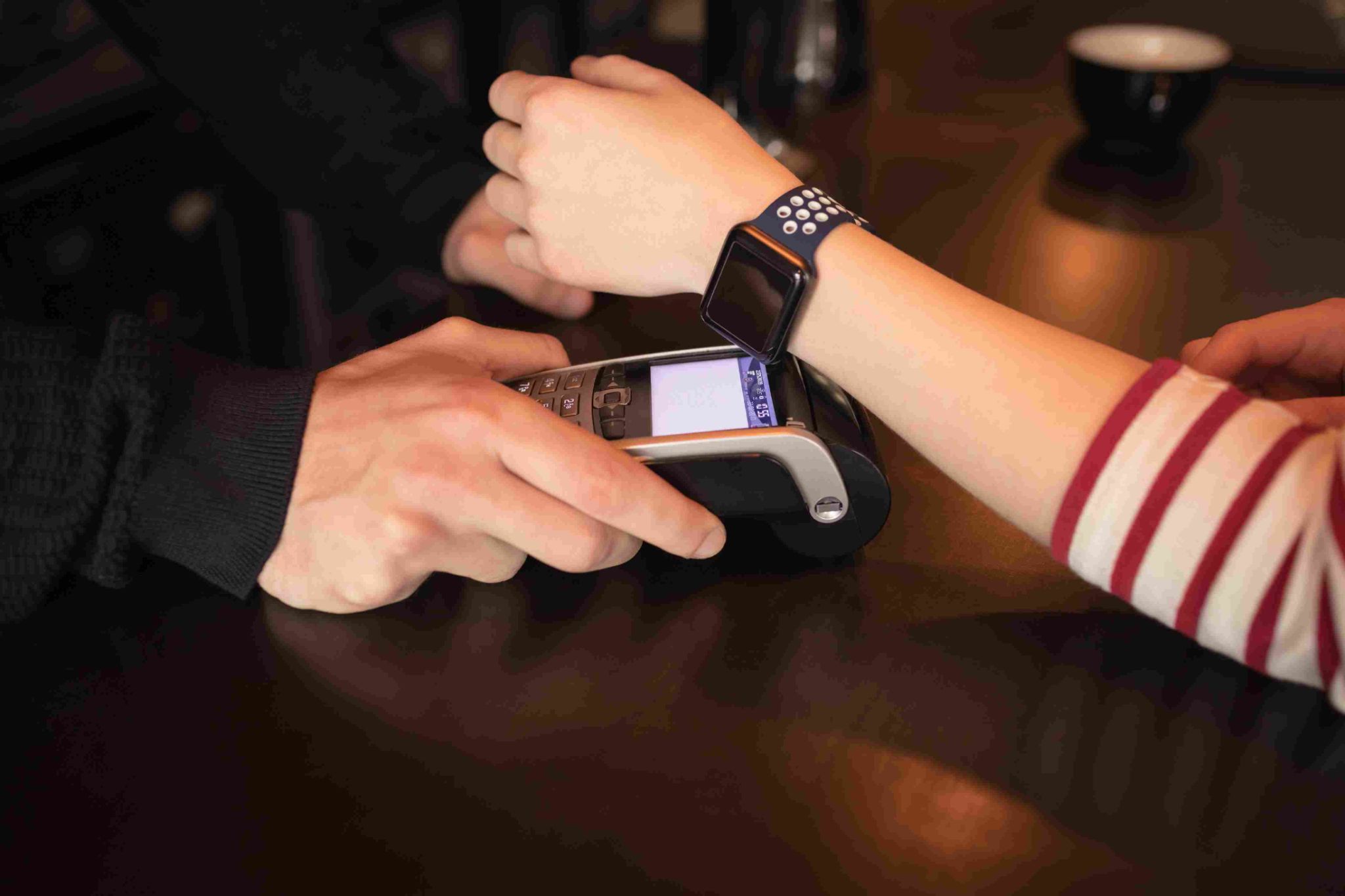
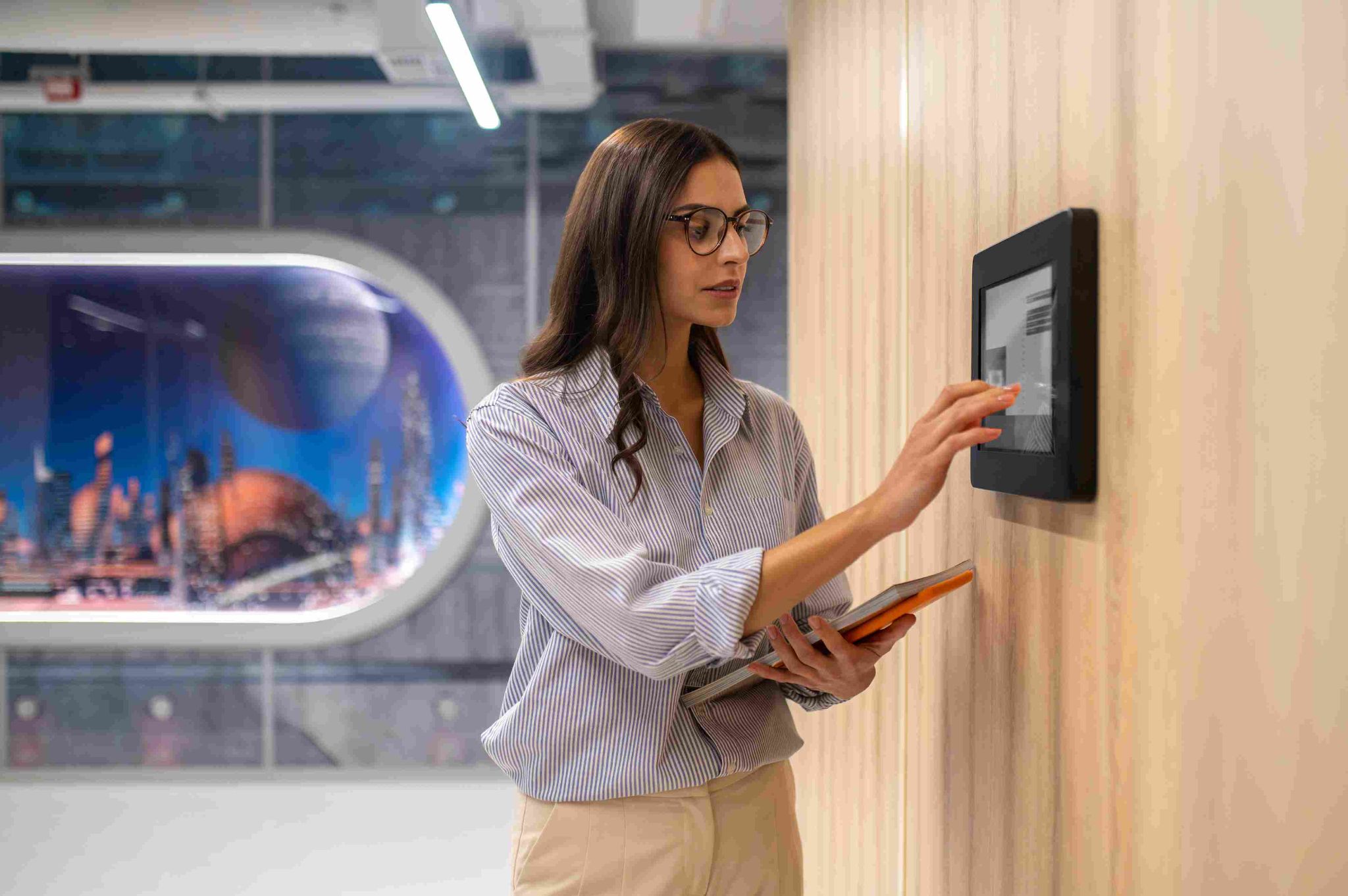
A PIN-based time clock requires each employee to have a unique personal identification number, typically four to six digits. When an employee arrives for their shift, they enter their PIN on the time clock device and the system records a clock-in event linked to that employee's record.
The process is simple and fast. An experienced employee can complete the clock-in in under ten seconds. The technology is reliable because it does not depend on environmental factors like lighting or camera quality. And the method works for employees of all ages, physical conditions, and technical backgrounds without any special accommodation.
PIN systems have been the standard in many businesses for decades precisely because of their simplicity. There is no hardware beyond the keypad or touchscreen, no enrollment process, and no ongoing maintenance of biometric data. When an employee is hired, they receive their PIN and can clock in from that day forward.
However, the simplicity of PIN systems is also their greatest vulnerability. A PIN is knowledge, not identity. Anyone who knows an employee's PIN can use it to clock in on that employee's behalf. This creates the conditions for buddy punching, one of the most common and costly forms of time theft in workforces that rely on PIN-based attendance tracking.
How Biometric Clock-In Works
Biometric clock-in systems verify employee identity using a physical characteristic unique to that individual. The most common biometric methods in workplace time tracking are facial recognition and fingerprint scanning.
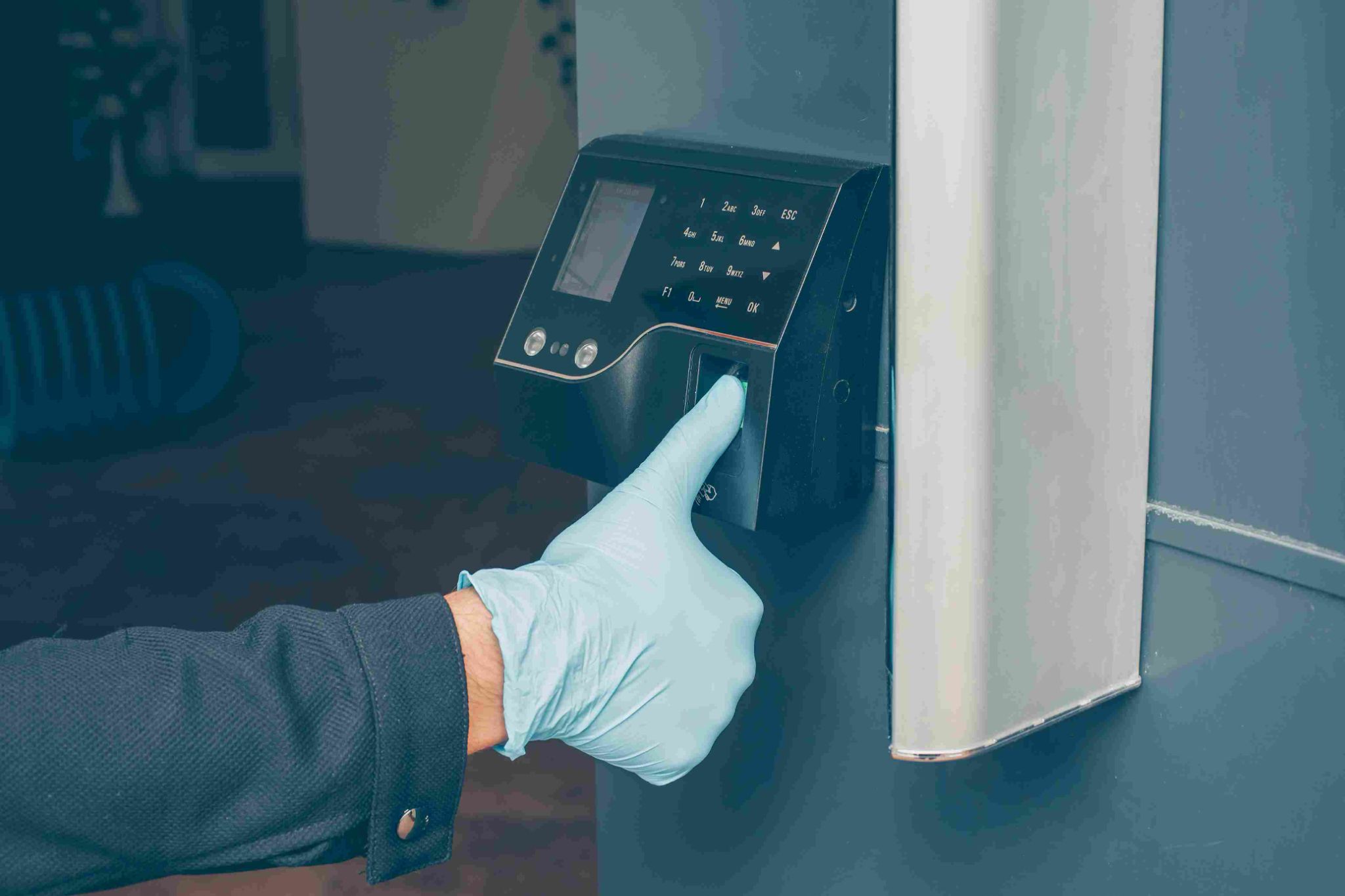
With facial recognition, an employee looks at a camera when they arrive for their shift. The system analyzes their facial features, compares the data against stored profiles, and records the clock-in if a match is confirmed. With fingerprint scanning, the employee places their finger on a sensor that reads their fingerprint pattern and compares it to stored templates.
The fundamental difference between biometric vs PIN is that biometric systems verify who the person physically is, not just what they know. A PIN can be shared. A face cannot. This is why biometric systems are significantly more effective at preventing time fraud than PIN systems.
The enrollment process for biometric systems requires each employee to register their physical data with the system before they can use it. For facial recognition, this typically takes one to two minutes.
For fingerprint systems, employees press their finger on the reader several times to create a reliable template. Once enrolled, the clock-in process itself is often faster than PIN entry because the system recognizes the employee automatically with minimal effort on their part.
The Case for PIN-Based Time Clocks
Before concluding that biometric is always better, it is worth understanding the genuine advantages of PIN-based systems and the situations where they are the more practical choice.
Lower implementation complexity. PIN systems require no enrollment process and no biometric data collection. A new employee can receive their PIN on their first day and begin clocking in immediately without any setup beyond creating their account in the system.
Works for all employees without exception. Biometric systems can occasionally struggle to recognize individuals with certain conditions. Employees who work with chemicals that affect fingerprint texture, employees with significant facial injuries or conditions, or employees whose appearance changes substantially due to medical treatment may experience recognition difficulties. PIN systems work identically for every employee regardless of physical characteristics.
No biometric data concerns. Some employees are uncomfortable with the idea of providing biometric data to their employer, whether because of personal privacy concerns or because they are aware of specific laws governing biometric data collection in their jurisdiction. PIN systems avoid this concern entirely.
The Case for Biometric Time Clocks
The strongest argument for biometric systems in the biometric vs PIN comparison is their fraud prevention capability. Buddy punching is a real financial problem for many businesses, and PIN systems do almost nothing to prevent it. Any employee who knows a colleague's PIN can clock in for them. And in close-knit teams where colleagues share information informally, PIN numbers are often widely known within a department even when they are supposed to be personal.
Biometric systems make buddy punching technically impossible when facial recognition is the primary verification method. The system only accepts a clock-in when the face of the registered employee is matched. There is no way to clock in for an absent colleague using biometric verification, which is why businesses with significant time fraud problems consistently see immediate improvement when they switch from PIN to biometric.
Beyond fraud prevention, biometric systems also provide stronger compliance documentation. Because the clock-in is tied to a verified physical identity rather than a number that anyone could enter, the attendance record carries more evidential weight in any dispute or audit. An employer who can demonstrate that their attendance records are based on facial recognition with photo capture is in a much stronger position defending those records than one whose records depend on self-reported PIN entries.
Time Fraud: Where Biometric vs PIN Makes the Biggest Difference
Time fraud in the workplace takes several forms, and the biometric vs PIN comparison is most directly relevant to buddy punching. Research into payroll fraud consistently estimates that buddy punching costs businesses between two and eight percent of their total payroll. For a business with a monthly payroll of fifty thousand dollars, even two percent represents a thousand dollars per month of preventable loss.
PIN systems provide almost no protection against this specific type of fraud. If an employee who is running late asks their colleague to clock in for them using their PIN, the system records a normal clock-in and no alarm is raised. The manager reviewing the timesheets at the end of the week has no way to know from the record alone that the employee was not actually present at the clock-in time.
Biometric systems close this gap entirely. When facial recognition is required, the employee must be physically present. The system does not accept a clock-in without the biometric match. And OpenTimeClock adds a further deterrent by capturing a photo at every clock-in event, even when using PIN as the verification method. The photo creates a visual audit trail that managers can review.
Accuracy and Reliability: How Each Method Performs in Real Environments
Beyond fraud prevention, the accuracy and reliability of attendance records depends on how consistently and correctly employees use the clock-in method. Both biometric and PIN systems have reliability considerations that managers should understand.
PIN systems are reliable from a technical standpoint but vulnerable to human error and deliberate misuse. Technical failures are rare. But employees forget their PIN, especially new hires who have not yet memorized it. They share their PIN with colleagues they trust. They enter another employee's PIN by mistake. And in busy environments where they are rushing to start their shift, they may enter the wrong digits and create a record under the wrong name.
Biometric facial recognition has improved dramatically in reliability in recent years. Modern systems are highly accurate across a wide range of lighting conditions and for employees with glasses, facial hair, or different hairstyles. Recognition takes one to two seconds and succeeds reliably for the vast majority of clock-in attempts.
However, biometric systems can face challenges in specific environments. Very bright sunlight shining directly on the camera can interfere with recognition. Extreme changes in appearance due to illness, injury, or medical treatment may temporarily reduce recognition accuracy. And some employees may simply find it difficult to position themselves correctly relative to the camera when they are in a hurry.
Choosing Between Biometric vs PIN for Your Business
Based on everything covered in this comparison, here is practical guidance for businesses deciding between the two methods.
Choose PIN as your primary method if your team is very small and trust levels are high, if employees have physical conditions that might cause biometric recognition difficulties, if you are in a jurisdiction with particularly stringent biometric regulations that would complicate implementation, or if you are implementing a very basic attendance system where the primary goal is simply having digital records rather than fraud prevention.
Choose biometric as your primary method if time theft or buddy punching has been a problem in your business, if your workforce is large enough that individual accountability without strong verification is difficult to maintain, if you need strong compliance documentation for labor law or client billing purposes, or if your industry or client requirements demand verifiable attendance records.
For most businesses, the ideal approach is biometric as the primary method with PIN as a fallback, combined with photo capture at every clock-in event regardless of which method is used. This approach provides strong fraud prevention without leaving employees unable to clock in in edge cases where biometric recognition is not performing optimally.
Conclusion
The biometric vs PIN comparison ultimately comes down to the specific needs of your business. PIN is simpler and more familiar. Biometric is more secure and more accurate for fraud prevention. For most businesses that take attendance accuracy and payroll compliance seriously, biometric verification as the primary method with PIN as a fallback represents the strongest approach.
Whatever combination you choose, OpenTimeClock supports it within a single free platform that connects your clock-in method to scheduling, payroll, PTO management, and real-time attendance monitoring.
FAQ’s
Q1. What is the main difference between biometric vs PIN time clock methods?
The core difference in biometric vs PIN is that biometric systems verify who the person physically is using a unique characteristic like their face, while PIN systems verify only what the person knows, their identification number. Biometric systems prevent buddy punching because the employee must be physically present.
Q2. Which is better for preventing buddy punching, biometric or PIN?
Biometric is significantly better at preventing buddy punching in the biometric vs PIN comparison. A facial recognition system only accepts a clock-in when the registered employee is in front of the camera. A PIN can be shared with any colleague.
Q3. Are there legal issues with using biometric time clocks?
Biometric data collection is regulated in several jurisdictions including Illinois in the US and under GDPR in Europe. These regulations require employee consent, data security measures, and clear retention policies. They do not make biometric systems illegal.
Q4. Can OpenTimeClock use both biometric and PIN methods together?
Yes. OpenTimeClock supports facial recognition, PIN, QR code, RFID, barcode, and GPS mobile clock-in all within the same platform. Businesses can configure facial recognition as the primary method and PIN as a fallback, ensuring employees can always clock in even in situations where biometric recognition is temporarily not working optimally.
Q5. Is OpenTimeClock free for businesses choosing between biometric vs PIN methods?
Yes. OpenTimeClock is completely free with no credit card required. The free plan includes full facial recognition, PIN, QR code, RFID, and GPS mobile clock-in, photo capture at every clock-in event, real-time attendance dashboard, shift scheduling, PTO management, overtime alerts, and payroll exports.