Biometric vs Card Swipe Time Clock: Which Employee Attendance System Should You Choose?
Compare biometric vs card swipe time clock systems on accuracy, cost, and security. Find out which attendance solution fits your business best.
Every business needs a reliable way to track when employees arrive and leave. The attendance system you choose affects payroll accuracy, compliance, and how much time your HR team spends fixing errors every week.
Two of the most common options are biometric time clocks and card swipe time clocks. Both record attendance automatically, but they work in very different ways. Choosing between biometric vs card swipe time clock systems is not always straightforward. The right answer depends on your industry, team size, budget, and how much security and accuracy matter to your business.
This article gives you a clear, practical breakdown of both systems so you can make a confident decision.
What Is a Card Swipe Time Clock?
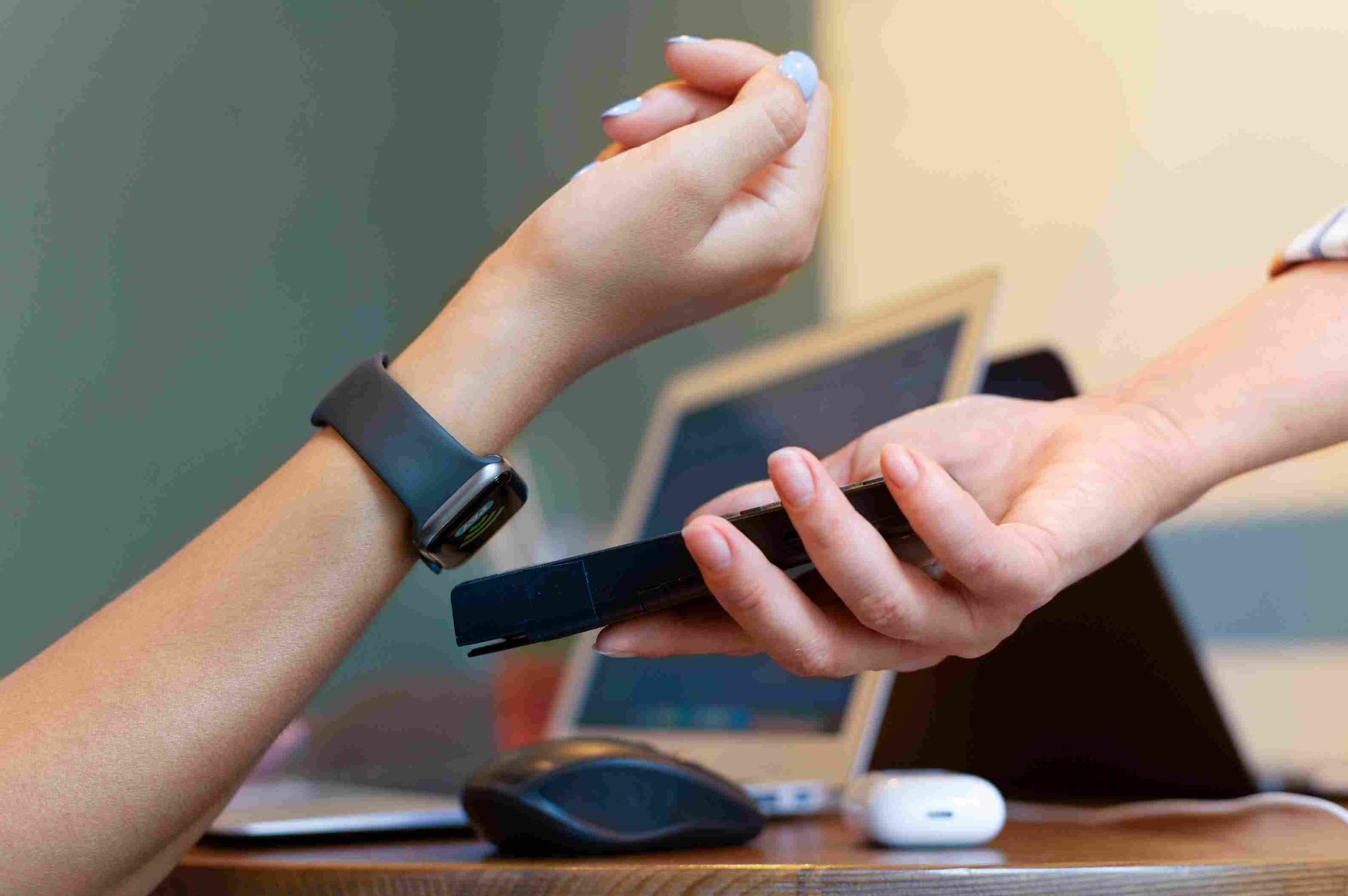
A card swipe time clock is one of the oldest and most widely used attendance systems. Each employee is given a physical card, badge, or key fob. The card contains either a magnetic strip, an RFID chip, or a barcode. When the employee arrives or leaves, they swipe, tap, or scan their card at the reader. The system records the time and links it to the employee's profile.
Card swipe systems are straightforward to set up and easy for employees to use. There is almost no learning curve. New employees receive a card and start using it from day one.
The hardware is also relatively affordable. Basic card readers cost less than biometric devices, and replacement cards are inexpensive. This makes card swipe systems attractive to businesses that need a low-cost solution with minimal setup time.
However, card swipe systems come with a significant weakness. The card and the employee are two separate things. Any employee can hand their card to a coworker and ask them to clock in on their behalf. This is known as buddy punching, and it is one of the most common forms of time theft in workplaces that rely on card-based attendance systems.
Cards can also be lost, stolen, or forgotten. When an employee does not have their card, they cannot clock in. This creates gaps in the attendance record that administrators must manually correct. Over time, these gaps become a recurring administrative burden.
What Is a Biometric Time Clock?
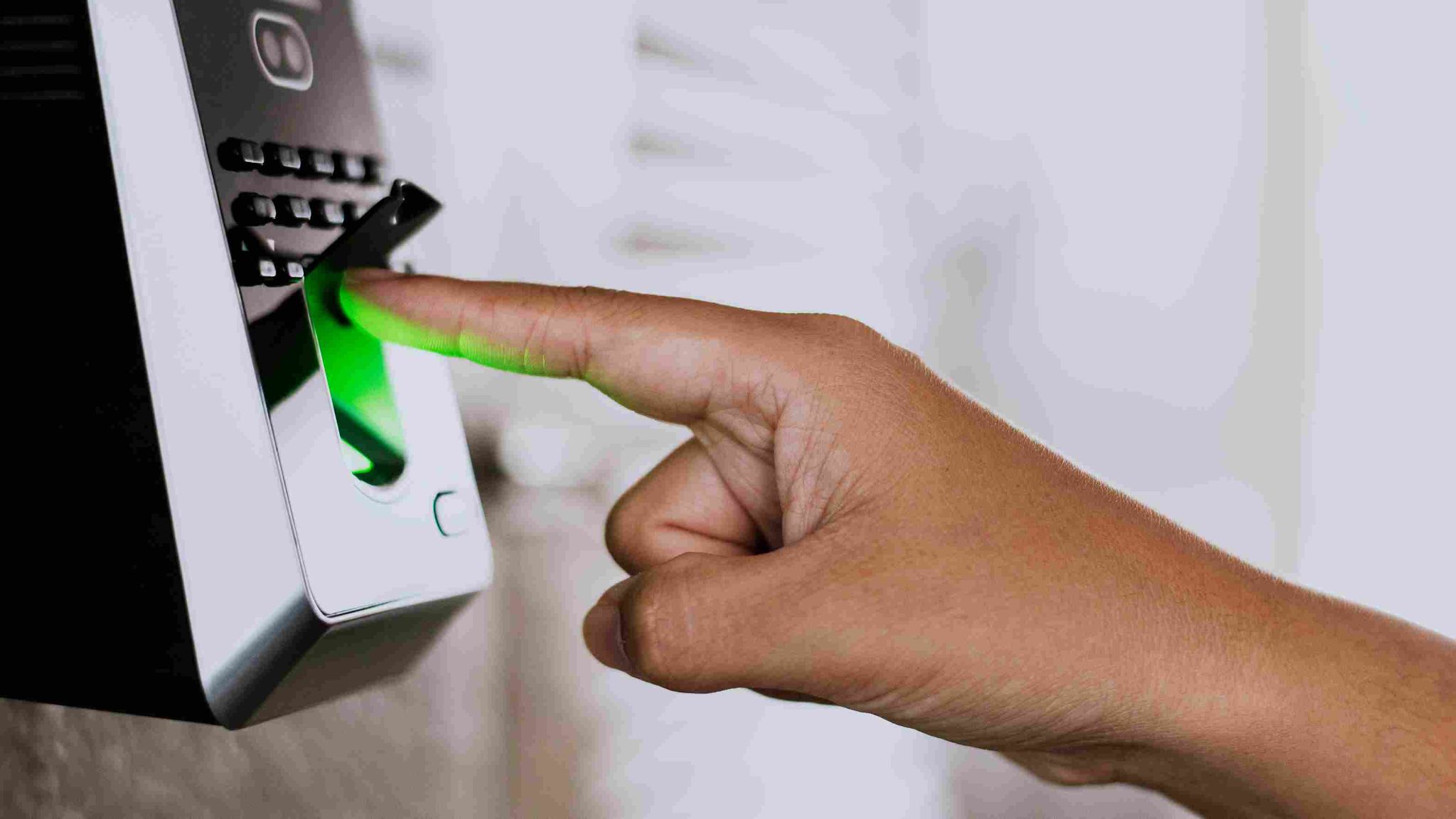
A biometric time clock uses the unique physical characteristics of each employee to verify their identity at clock-in. The most common biometric methods are fingerprint scanning, facial recognition, and iris scanning. Some systems also use palm vein scanning or voice recognition.
Because biometric data is unique to each person, it cannot be shared, borrowed, or transferred. Only the actual employee can clock in using their own fingerprint or face. This completely eliminates buddy punching and removes one of the biggest sources of payroll fraud in shift-based workplaces.
Biometric systems are also faster than card swipe systems in practice. Facial recognition takes less than one second. Fingerprint scanning takes one to two seconds. There is no fumbling for a card, no scanning a barcode, and no waiting for a magnetic strip to read correctly.
Biometric systems do come with a higher upfront cost than card swipe readers in some configurations. However, cloud-based platforms like OpenTimeClock eliminate the need for expensive dedicated hardware by using the cameras already built into smartphones, tablets, and desktop computers.
Biometric vs Card Swipe Time Clock: A Direct Comparison
When comparing biometric vs card swipe time clock systems side by side, several key differences emerge. These differences will matter differently depending on what your business prioritizes.
Security and Fraud Prevention
This is the most important difference between the two systems. A card swipe system is only as secure as the card itself. If an employee loses their card, forgets it, or deliberately passes it to a coworker, the system has no way to detect the issue. The attendance record simply shows that the card was used, not who actually used it.
A biometric time clock is directly tied to the person. There is no card to lose or share. Facial recognition confirms the identity of the employee at the exact moment of clock-in. This creates a tamper-proof attendance record that managers can rely on.
OpenTimeClock includes facial recognition as a native feature. Every clock-in captures a timestamped photo so managers have a visual record of who was actually present. This level of accountability is simply not possible with a card swipe system.
Accuracy of Attendance Records
Card swipe systems produce attendance records that are only as accurate as employee behavior. If an employee swipes in for a coworker, the record shows the wrong person's attendance. If a card reader fails to read the strip correctly, the clock-in may not register at all.
Biometric systems produce highly accurate records because the identification step cannot be bypassed. The system either recognizes the employee or it does not. There is no ambiguity about who made the punch.
OpenTimeClock records every clock-in with a precise timestamp, an optional GPS location, and a photo. This creates a complete and verifiable attendance record that is accurate from the moment of clock-in to the moment of payroll processing.
Cost and Setup
Card swipe systems generally have a lower upfront hardware cost. Basic magnetic strip readers are among the most affordable time clock hardware available. Replacement cards are cheap, and the system can be set up in a few hours.
Biometric systems traditionally required more expensive dedicated hardware. However, this has changed significantly with cloud-based software. OpenTimeClock turns any smartphone, tablet, or computer with a camera into a fully functional facial recognition time clock. There is no proprietary hardware to buy. The software runs on devices your business already owns.
When you factor in the long-term cost savings from eliminating buddy punching, reducing payroll errors, and removing the need to replace lost cards, biometric systems often cost less over time than card swipe alternatives.
Ease of Use for Employees
Card swipe systems are simple from the employee's perspective. Swipe or tap a card, and you are clocked in. Most employees are already familiar with this kind of interaction from access badges or transit cards.
Biometric systems are equally simple in practice. Facial recognition requires the employee to stand in front of a camera for less than a second. There is nothing to carry and nothing to remember. Many employees actually prefer this approach once they start using it.
Fingerprint scanning is also straightforward, but it can be less reliable for employees who work with their hands. Cuts, calluses, grease, and moisture can all interfere with fingerprint reads. Facial recognition does not have this limitation, making it a better choice for manufacturing, construction, healthcare, and other hands-on environments.
Hygiene and Health Considerations
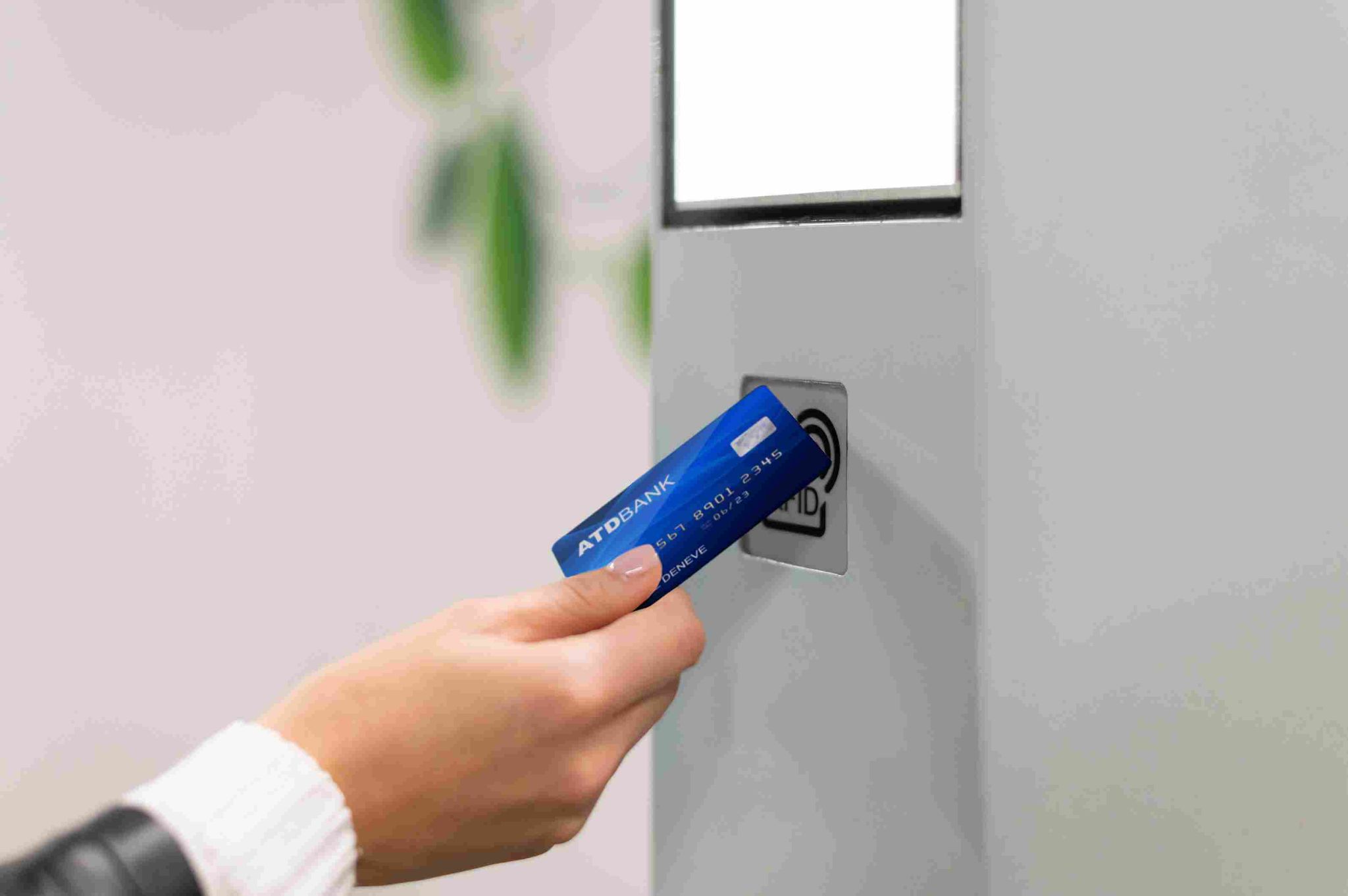
Card swipe systems that require physical contact with a shared reader surface raise hygiene concerns. Magnetic strip readers and barcode scanners require the employee to handle a shared device or insert a card into a shared slot. In healthcare facilities, food service environments, and post-pandemic workplaces, this is a real concern.
RFID-based card systems reduce contact because the card only needs to be held near the reader rather than physically inserted. However, the card itself is still a shared-adjacent object that passes through many hands.
Facial recognition is fully contactless. The employee stands in front of a camera and never touches any surface. This makes it the most hygienic option available and a natural fit for any workplace where infection control is important.
Scalability for Growing Businesses
Card swipe systems scale easily in terms of adding more cards. However, each new location typically requires dedicated hardware at that site. Managing card inventory across multiple locations can become administratively complex as the business grows.
Biometric systems that run on a cloud platform scale seamlessly. Adding a new employee is as simple as enrolling their facial data in the system. Adding a new location only requires a device with a camera and an internet connection. There is no additional hardware to purchase and no card inventory to manage.
OpenTimeClock supports multi-location deployment from a single administrator dashboard. Managers can monitor attendance across every site in real time. Reports can be filtered by location, department, or individual employee from the same interface.
When a Card Swipe System Still Makes Sense
The biometric vs card swipe time clock decision is not always one-sided. There are situations where a card swipe system remains a reasonable choice.
If your workforce is very small and trust among employees is high, the fraud prevention advantage of biometrics matters less. A team of five people in a close-knit office is unlikely to engage in buddy punching.
Card systems also make sense in environments where biometric enrollment is difficult. Some employees may have religious or cultural objections to biometric data collection. In these cases, a card system avoids the need to manage exemptions or alternative clock-in methods.
However, it is worth noting that many modern platforms, including OpenTimeClock, support both RFID card clock-ins and facial recognition within the same system. Businesses can use cards as a fallback option while still benefiting from biometric verification for most employees. This hybrid approach offers the best of both systems.
When Biometric Is the Clear Winner
For most modern businesses, a biometric time clock is the better long-term investment. Here are the scenarios where biometrics clearly outperform card swipe systems.
High employee turnover industries like retail, hospitality, and logistics benefit significantly from biometrics. Deactivating a card when an employee leaves requires someone to remember to do it. With facial recognition, a departing employee is simply removed from the system and their biometric profile is deleted. There is nothing physical to collect or deactivate.
Healthcare organizations benefit from the contactless nature of facial recognition. Staff in clinical environments cannot always stop to handle a card. A quick glance at a camera is far less disruptive to their workflow.
Multi-site businesses gain the most from a cloud-based biometric system. Every location uses the same platform. Attendance data flows into one central dashboard. There is no inconsistency between sites and no manual consolidation of records from different systems.
How OpenTimeClock Handles Both Methods in One Platform
OpenTimeClock does not force businesses to choose one method exclusively. The platform supports a wide range of clock-in options within the same system.
Employees can clock in using facial recognition, RFID or NFC card scanning, QR code scanning, PIN entry, barcode scanning, or username and password. Administrators can enable or restrict specific methods for different employee groups, departments, or locations.
This flexibility means businesses can run a hybrid approach. Most employees clock in with facial recognition while a small group that requires an exemption uses RFID cards. All data from both methods flows into the same attendance dashboard and the same payroll reports.
Visit opentimeclock.com to explore all available clock-in methods and see how the platform fits your specific workforce setup.
Conclusion
The biometric vs card swipe time clock comparison comes down to one fundamental question. Do you want an attendance system that tracks a card or one that tracks a person? Card swipe systems are simple and affordable but leave the door open to fraud, lost cards, and inaccurate records.
Biometric systems are more secure, more accurate, and increasingly affordable thanks to cloud-based software that removes the need for expensive hardware.
For most businesses today, a biometric time clock is the smarter investment. It reduces payroll fraud, improves data accuracy, works in any environment, and scales without adding hardware costs.
FAQ’s
1. What is the main difference between a biometric and a card swipe time clock?
A card swipe time clock records attendance based on a physical card that anyone can use. A biometric time clock records attendance based on the employee's unique physical characteristics, such as their face or fingerprint. Because biometric data belongs to the individual, it cannot be shared or transferred.
2. Can employees share cards to clock in for each other with a card swipe system?
Yes, and this is one of the biggest weaknesses of card swipe attendance systems. An employee can hand their card to a coworker who clocks in on their behalf. The system has no way to detect this because it only reads the card, not the person using it. This practice, called buddy punching, results in employees being paid for hours they did not actually work.
3. Is a biometric time clock more expensive than a card swipe system?
Traditional dedicated biometric hardware can cost more upfront than basic card readers. However, cloud-based platforms like OpenTimeClock use the cameras already built into smartphones, tablets, and computers to deliver facial recognition at no additional hardware cost.
4. What happens if an employee objects to biometric data collection?
Some employees may have concerns about providing biometric data. OpenTimeClock supports multiple clock-in methods within the same platform, including RFID card scanning, QR codes, PIN entry, and barcodes.
5. Does OpenTimeClock support both biometric and card swipe clock-ins?
Yes. OpenTimeClock supports facial recognition, RFID card scanning, NFC tap, QR codes, PIN entry, barcode scanning, and username and password all within the same platform. Businesses can run a hybrid approach where most employees use facial recognition and others use RFID cards.